
50 Cheap Meals Under $2 Per Serving That Actually Fill You Up.A few months ago, I pulled up my banking app after an intense sprint at work and nearly choked on my cold brew. Between mid-afternoon takeout deliveries and convenience-store snack runs, I had burned over $850 on food in a single month. For one person.
- 1. The High-Yield Pantry: Core Ingredients That Maximize Satiety Under $2 per Plate
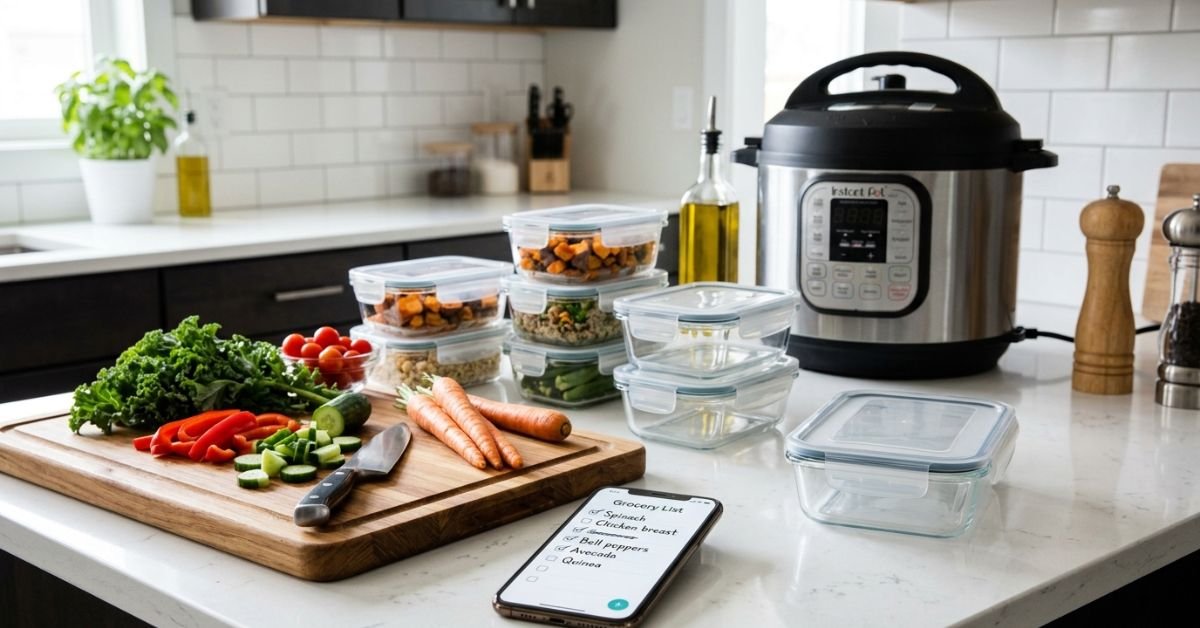
- 2. Leveraging Multi-Cookers and Smart Kitchen Tech to Slash Prep Time and Energy Costs
- 3. The Instant Pot Arbitrage
- 4. Energy Monitoring with Smart Plugs
- 5. Preserving Batch Cook Quality
- 6. 1. High-Protein Legumes & Curries ($0.60 – $1.25/serving)
- 7. 2. Egg & Dairy Protein Powerhouses ($0.80 – $1.50/serving)
- 8. 3. Big-Yield Slow Cooker & Pork Mains ($1.20 – $1.95/serving)
- 9. 4. Grains, Pastas & Skillets ($0.75 – $1.40/serving)
- 10. 5. Comfort Soups, Roots & Poultry ($1.10 – $1.90/serving)
- 11. Real-World Execution: 5-Day Meal Prep Schedule for Busy Professionals
- 12. Managing Grocery Tech
- 13. Expert Insight: The Frozen Spinach Defrost Hack
- 14. Common Grocery Pitfalls That Drive Per-Serving Costs Above Budget
- 15. 1. The Pre-Cut Convenience Trap
- 16. 2. Sleeping on Digital Store Loyalty Coupons
- 17. 3. Serving Size Creep
- 18. Frequently Asked Questions
- 19. Can you genuinely get enough protein on a $2-per-serving budget?
- 20. How do you prevent meal prep boredom eating the same thing all week?
- 21. Are dry beans really worth the extra prep work over canned beans?
- 22. How do you handle fresh produce going bad before you can use it?
I treat life like a systems problem. When code crashes, I run diagnostics; when my budget bleeds out, I audit the line items. I realized I was paying a massive premium for sheer convenience and poor inventory management.
So, I built a tracking spreadsheet to log cost-per-serving down to the penny, dusted off my Instant Pot, and ran a month-long experiment: eat high-protein, calorie-sufficient meals for less than $2 a plate. Not sad bowls of limp iceberg lettuce or salty instant ramen packs that leave your stomach growling forty minutes later, but real, nutrient-dense food that fuels a 14-hour workday.
Here is the exact framework, tech stack, and 50 tested meals that kept my belly full and my grocery bill under $60 a week.


The High-Yield Pantry: Core Ingredients That Maximize Satiety Under $2 per Plate
If you buy single-serving pre-packaged groceries at standard suburban supermarkets like Kroger or Safeway, staying under two dollars per meal is mathematically impossible. You lose the game at the checkout line. To hit sub-$2 plates, your strategy must pivot around unit pricing and raw caloric-protein density.
I calculate food value using a simple metric: Cents per Gram of Protein and Fiber. Fat and carbs are cheap; bioavailable satiety is what usually drives grocery bills through the roof.


Satiety Value Score = (Grams of Protein + Grams of Fiber) / Cost per Serving ($)
The backbone of this budget is built on dry, unglamorous pantry staples:
💰 More Cheap Living Tips You'll Love
- Debt Avalanche Method Step by Step: Fast Debt Payoff
- Pay Off Debt Faster Without Earning More: Tech Guide
- Debt Snowball Worksheet: How to Fill It Out Correctly
- Lower Your Electric Bill as a Renter: 12 Cheap Tech Ways
- Debt Snowball on a Low Income: Does It Still Work in 2026-27?
- Debt Snowball vs Avalanche: Which Repayment Strategy Wins?
- Bulk Legumes (Dry Lentils, Black Beans, Chickpeas): Buying canned beans costs roughly $0.90 to $1.25 per 15-ounce can (giving you about 1.5 cups cooked). Buying a 20-pound sack of dry pinto or black beans at an ethnic market or wholesale club runs around $18. That drops your cost to roughly $0.16 per cooked cup.
- Whole Grains (Brown Rice, Rolled Oats, Pearl Barley): Brown rice and beans form a complete amino acid profile while delivering slow-burning complex carbohydrates. Oats deliver beta-glucan fiber that physically delays gastric emptying.
- Frozen Vegetables: Fresh broccoli often sits in the crisper drawer turning to brown mush. Frozen vegetables (spinach, peas, corn, cauliflower) are flash-frozen at peak nutritional density, have zero prep waste, and cost roughly half the price per edible ounce.
- High-Yield Animal Proteins: Eggs (when purchased in 30- or 60-packs), bone-in pork shoulder ($1.99/lb on sale), whole chickens, and canned tuna or sardines purchased by the flat.
Stop shopping aisle by aisle without a plan. Tracking price per ounce (unit pricing) on shelf tags instantly exposes food industry markups.


Leveraging Multi-Cookers and Smart Kitchen Tech to Slash Prep Time and Energy Costs
People abandon cheap cooking because it takes too long. Boiling dry beans on an electric stove top takes two hours of simmering, venting steam, and heating up your apartment. That’s where automation saves the day.
The Instant Pot Arbitrage
An Instant Pot or programmable multi-cooker is essentially the hard drive of low-cost cooking. You do not need to pre-soak dry beans overnight. Throw two cups of unsoaked dry black beans into the pot with five cups of water, a splash of oil, garlic cloves, and a bay leaf. Set manual high pressure for 32 minutes with a 15-minute natural release. They come out creamy, intact, and deeply seasoned for roughly $0.35 total.
Energy Monitoring with Smart Plugs
I plugged my multi-cooker into a smart power monitoring plug (like an Emporia or TP-Link Kasa) to measure power consumption. Running an electric oven at 400°F (200°C) for an hour pulls around 2.5 to 3.5 kWh. A modern countertop pressure cooker pulls about 0.7 kWh over its entire cycle. You save money on groceries and trim your monthly power utility bill.
Preserving Batch Cook Quality
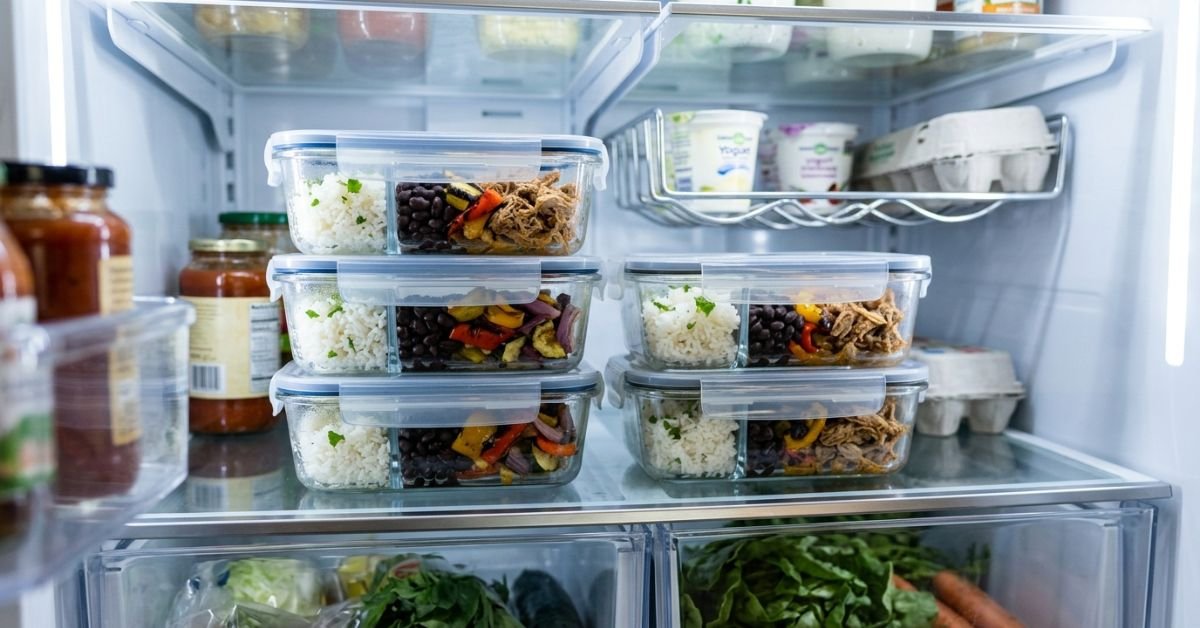
Air is the enemy of texture. If you cook large batches, a basic $30 vacuum sealer prevents freezer burn on bulk-braised meats. For daily storage, I use uniform borosilicate glass containers with locking lids. Being able to see what’s inside your fridge eliminates the dreaded “mystery container” that rots in the back corner.
50 Nutrient-Dense Meal Ideas Under $2 (Categorized by Flavor Profile)
Here are 50 reliable, high-satiety meals that hit the sub-$2 target. Pricing is based on purchasing bulk staples, frozen produce, and standard sale-priced proteins.
1. High-Protein Legumes & Curries ($0.60 – $1.25/serving)
- Red Lentil Dahl (Masoor Dal): Red lentils cooked down with turmeric, ginger, garlic, crushed tomatoes, finished with a cumin-infused oil tadka, served over brown rice. (~$0.85)
- Cuban Black Bean Bowls: Pressure-cooked dry black beans with onions, bell peppers, oregano, and splash of cider vinegar over white rice with pickled onions. (~$0.72)
- Classic Chana Masala: Chickpeas simmered in an onion-tomato gravy with garam masala, chili, and cilantro, served with flatbread or rice. (~$0.95)
- Smoky Pinto Bean Mash Tostadas: Refried bulk pinto beans spread over baked corn tortillas, topped with shredded cabbage and homemade salsa. (~$0.65)
- French Green Lentil & Root Vegetable Stew: French lentils simmered with diced carrots, celery, onions, and dried thyme in vegetable broth. (~$1.10)
- Mediterranean Chickpea Salad: Cold cooked chickpeas tossed with diced red onion, cucumbers, parsley, dried oregano, and a basic red wine vinaigrette. (~$1.15)
- Spiced Yellow Split Pea Stew (Ethiopian Kik Alicha): Split peas braised with garlic, ginger, and turmeric until creamy. (~$0.60)
- Slow-Cooker White Bean & Rosemary Soup: Dry navy beans cooked low-and-slow with garlic, rosemary stems, and vegetable broth. (~$0.80)
- Lentil Sloppy Joes: Brown lentils cooked in a sweet-smoky tomato, mustard, and Worcestershire sauce, spooned onto toasted generic buns. (~$0.95)
- Curried Chickpea & Spinach Stew: Canned or batch-cooked chickpeas with thawed frozen spinach and yellow curry powder in light coconut milk. (~$1.35)
2. Egg & Dairy Protein Powerhouses ($0.80 – $1.50/serving)
- Classic Shakshuka: Eggs poached gently in a spiced tomato, onion, and bell pepper sauce, eaten with toasted day-old bread. (~$1.20)
- Soy-Sauce Eggs Over Rice: Soft-boiled eggs marinated in soy sauce, water, sugar, and scallions, served hot over steamed jasmine rice with sesame seeds. (~$0.75)
- Potato & Onion Spanish Omelet (Tortilla Española): Thinly sliced potatoes and onions slowly cooked in vegetable oil, folded into beaten eggs and pan-fried. (~$0.90)
- Scrambled Tofu Breakfast Tacos: Crumbled firm tofu seasoned with nutritional yeast and turmeric, scooped into warm corn tortillas with salsa. (~$1.10)
- Egg Fried Rice with Frozen Peas: Cold leftover day-old rice flash-fried with scrambled eggs, soy sauce, garlic, and thawed frozen peas. (~$0.85)
- Savory Oatmeal with Fried Egg: Rolled oats cooked in broth with a pinch of garlic powder, topped with a runny fried egg and hot sauce. (~$0.65)
- Cottage Cheese & Baked Potato: Large baked russet potato loaded with low-cost store-brand cottage cheese, black pepper, and scallions. (~$1.25)
- Greek-Style Scrambled Eggs (Strapatsada): Eggs scrambled with grated ripe tomatoes and dried oregano. (~$0.95)
- Spinach & Cheddar Frittata: Whisked eggs baked with frozen drained spinach, diced onions, and a sprinkle of shredded cheddar cheese. (~$1.30)
- Egg Drop Noodle Soup: Chicken bouillon broth thickened with cornstarch, ribboned with whisked eggs, over boiled dry spaghetti noodles. (~$0.70)
3. Big-Yield Slow Cooker & Pork Mains ($1.20 – $1.95/serving)
- Pulled Pork Shoulder Carnitas: Bone-in pork shoulder (bought at $1.99/lb) braised with cumin, orange peel, and garlic, shredded and broiled crisp for tacos. (~$1.45)
- Cabbage & Smoked Sausage Skillet: Thinly sliced green cabbage braised with smoked kielbasa slices and a splash of apple cider vinegar. (~$1.60)
- Slow Cooker Pork Chili Verde: Diced pork shoulder simmered with store-brand canned salsa verde, onions, and pinto beans. (~$1.75)
- Split Pea and Ham Hock Soup: Dry green split peas cooked down with a smoked ham hock for rich flavor, bulked with diced carrots and potatoes. (~$1.25)
- Pork Larb with Rice: Ground pork browned with fish sauce, lime juice, chili flakes, and red onion, served over white rice with crisp cabbage leaves. (~$1.85)
- Sheet Pan Sausage, Peppers, and Onions: Sliced smoked pork links roasted with bulk bell peppers and yellow onions, served over polenta. (~$1.65)
- Pork Picadillo: Ground pork simmered with tomato sauce, diced potatoes, raisins, and cumin, served with rice. (~$1.80)
- Pork & White Bean Cassoulet: Pork shoulder scraps browned and stewed with great northern beans, garlic, and breadcrumb topping. (~$1.55)
- Sweet & Sour Pork Meatballs: Ground pork rolled into small meatballs, baked, and glazed with a cider vinegar-ketchup-soy reduction over rice. (~$1.70)
- Braised Pork Neck Bones with Greens: Pork neck bones simmered until fall-apart tender with collard greens or mustard greens and broth. (~$1.40)
4. Grains, Pastas & Skillets ($0.75 – $1.40/serving)
- Pasta e Ceci (Pasta and Chickpeas): Ditalini or small shells simmered directly in a rich broth of garlic, rosemary, tomato paste, and chickpeas. (~$0.90)
- Spaghetti Aglio e Olio with Toasted Breadcrumbs: Spaghetti tossed in olive/canola oil blend, toasted garlic slices, red pepper flakes, and crisp breadcrumbs. (~$0.70)
- Pasta e Fagioli: Diced mirepoix, canned crushed tomatoes, small pasta, and cannellini beans cooked into a thick, comforting stew. (~$1.05)
- Barley Risotto with Mushrooms: Pearl barley slow-cooked like risotto with vegetable broth, finished with browned white button mushrooms. (~$1.20)
- Peanut Sauce Cold Sesame Noodles: Spaghetti noodles tossed with peanut butter, soy sauce, vinegar, hot water, and shredded raw carrots. (~$0.85)
- Mujadara (Lentils, Rice, and Crispy Onions): Brown lentils and white rice spiced with cumin and coriander, crowned with deeply caramelized onions. (~$0.65)
- Cheesy Polenta with Stewed Tomatoes: Yellow cornmeal cooked into soft polenta with a touch of butter, topped with stewed canned crushed tomatoes. (~$0.95)
- Korean Doenjang Jjigae (Soybean Paste Stew): Fermented soybean paste broth with cubed tofu, zucchini, onions, and potatoes. (~$1.40)
- Kimchi Fried Rice with Egg: Fermented cabbage kimchi sautéed with leftover rice, finished with sesame oil and a single fried egg. (~$1.15)
- Tuna Pasta Salad: Elbow macaroni mixed with drained canned chunk light tuna, a scoop of mayonnaise, vinegar, and frozen peas. (~$1.35)
5. Comfort Soups, Roots & Poultry ($1.10 – $1.90/serving)
- Chicken Leg Quarter & Rice Soup (Arroz Caldo): Chicken leg quarters browned and simmered with glutinous or long-grain rice, heavy ginger, and garlic. (~$1.25)
- Roasted Bone-in Chicken Thighs with Root Veggies: Chicken thighs roasted over thick-cut carrots, potatoes, and onions on a single baking sheet. (~$1.65)
- Minestrone with Seasonal Veggies: Broth, kidney beans, cabbage, celery, carrots, tomato paste, and whatever leftover greens are in the fridge. (~$1.05)
- Loaded Black Bean Sweet Potatoes: Whole baked sweet potatoes split open and stuffed with seasoned black beans and hot salsa. (~$1.15)
- Curried Potato and Pea Samosa Bake: Spiced mashed russet potatoes and frozen green peas layered under phyllo scraps or baked biscuit crust. (~$0.95)
- Creamy Potato Leek Soup: Russet potatoes boiled with sautéed leeks (or yellow onions) and blended smooth with vegetable stock. (~$0.80)
- Chicken Liver Pâté on Toast: Pan-seared chicken livers (typically $1.80/lb) blended with butter, onions, and herbs, served on crusty bread. (~$1.10)
- Turkey Sausage & Lentil Skillet: Half a link of turkey sausage crumbled with brown lentils, canned diced tomatoes, and Italian herbs. (~$1.45)
- Cabbage Roll Soup: Ground pork or beef scraps simmered with shredded green cabbage, rice, tomato puree, and paprika. (~$1.50)
- Rustic Tomato Rice Soup: Crushed canned plum tomatoes cooked with chicken broth, long-grain rice, and dried oregano. (~$0.75)
Real-World Execution: 5-Day Meal Prep Schedule for Busy Professionals
You don’t need to spend all Sunday cooking fifty meals. That leads straight to culinary fatigue. Instead, I use what I call the Component Pipeline. You prep two foundational bases, then branch them into different meals throughout the workweek.
Sunday Prep (120 Mins):
  ├── Instant Pot: 2 lbs Black Beans (Base 1)
  ├── Rice Cooker: 6 cups Brown Rice (Base 2)
  └── Oven: 4 lbs Roast Pork Shoulder or Sheet Pan Veggies
- Monday: Cuban Black Bean Bowls (Black beans + brown rice + diced raw onions + hot sauce).
- Tuesday: Pork Carnitas Tacos (Shredded pork crisped in a skillet + corn tortillas + shredded raw green cabbage).
- Wednesday: Smoky Black Bean Mash Tostadas (Refry Monday’s leftover beans in a skillet + fried tortillas + fried egg on top).
- Thursday: Pork Fried Rice (Wok-fry cold brown rice from Sunday + shredded pork + frozen peas + 2 eggs).
- Friday: “Clean Out the Fridge” Black Bean & Pork Chili (Toss remaining beans, meat scraps, and a can of crushed tomatoes into the pot for 15 minutes).
Managing Grocery Tech
I run this entire system using a smart grocery list app (like AnyList or Bring!) synced across devices. Every time a staple hits 20% inventory, it gets added automatically.
By keeping inventory transparent, you enforce food waste reduction. The average American household throws out roughly 30% of the food they purchase. Cutting your food waste to zero immediately drops your effective grocery bill by nearly a third without changing your diet.
Expert Insight: The Frozen Spinach Defrost Hack
Never drop a whole block of wet frozen spinach directly into a warm skillet—it releases water, dilutes seasonings, and ruins food texture. Instead, microwave the block for 90 seconds, drop it into a clean kitchen towel, and wring it out over the sink like a wet rag. You’ll squeeze out almost a cup of bitter excess liquid, leaving tender, concentrated greens that absorb sauces instantly without making dishes soggy.
Common Grocery Pitfalls That Drive Per-Serving Costs Above Budget
Even with good intentions, tiny errors balloon your budget. Watch out for these three slip-ups:
1. The Pre-Cut Convenience Trap
Pre-shredded carrots, chopped onions, and cubed butternut squash come with a massive markup. You’re effectively paying an hourly wage of $40 to someone to run an onion through a dicer. Buy whole produce. An entire head of green cabbage yields massive volume, stays crisp in the crisper drawer for up to four weeks, and costs less than $0.80 a pound.
2. Sleeping on Digital Store Loyalty Coupons
Modern grocery apps (H-E-B, Meijer, Aldi, Kroger) have aggressive in-app digital clipping coupons. You shouldn’t buy random things just because there’s a coupon, but clipping manufacturer coupons on cooking oil, canned tomatoes, and oats routinely shaves $8 to $12 off my checkout total. Combine that with cash-back receipts via Fetch or Ibotta, and the math works out even better.
3. Serving Size Creep
When you cook a massive four-quart pot of curry, it’s easy to shovel out huge portions on night one. Suddenly, your five-serving prep yields only three meals, blowing your $1.40 target up to $2.30. Portion meals directly into containers immediately after cooking. Let them cool, snap the lids on, and stick them straight into the fridge.
Frequently Asked Questions
Can you genuinely get enough protein on a $2-per-serving budget?
Yes, without issue. The secret lies in pairing high-yield bulk legumes (black beans, lentils, chickpeas) with eggs, canned tuna, cottage cheese, and economical pork or poultry cuts. A single bowl of brown rice, black beans, and two fried eggs easily provides 28 to 34 grams of bioavailable protein for less than $1.30 total.
How do you prevent meal prep boredom eating the same thing all week?
Do not assemble identical completed meals for five straight days. Instead, use component-based prep: cook large batches of base proteins and complex carbs plain, then vary your sauces, textures, and flavor profiles each night. One batch of beans can be Cuban black bean soup on Monday, crispy tostadas on Wednesday, and spicy chili on Friday.
Are dry beans really worth the extra prep work over canned beans?
From a purely economic standpoint, dry beans provide roughly four times the cooked food volume per dollar compared to canned equivalents. With modern multi-cookers like the Instant Pot, dry beans require zero soaking and are ready in under 45 minutes hands-off, completely closing the convenience gap.
How do you handle fresh produce going bad before you can use it?
Focus your fresh buying strictly on durable, high-longevity vegetables like green cabbage, carrots, onions, and sweet potatoes, which can last weeks in cool storage. For tender, moisture-rich greens and florets, rely on flash-frozen vegetables like frozen spinach, broccoli, and peas, which produce zero trim waste and never rot in the crisper drawer.