
15 Freezer Meals Under $3 Each: Smart Tech Meal Prep Guide.A few months ago, I pulled up my personal budget tracker and noticed a painful trend: my average weeknight dinner was clocking in at $14.20 per person. Between last-minute grocery runs, wilted produce I forgot to cook, and delivery fees when exhaustion hit, my kitchen was bleeding money.
- 1. The Tech Stack: Building an Efficient Prep Pipeline
- 2. The $3-Per-Serving Cost Formula
- 3. 15 Freezer Meals Under $3 Each
- 4. 1. Mexican Mojo Pulled Pork Carnitas
- 5. 2. Red Lentil and Coconut Dal
- 6. 3. Korean Gochujang Ground Turkey Bowls
- 7. 4. Tuscan White Bean and Smoked Sausage Ragù
- 8. 5. Moroccan Chickpea and Sweet Potato Tagine
- 9. 6. Lemon Herb Chicken Thigh Sheet Pan Dump Meal
- 10. 7. Smoky Split Pea and Ham Hock Pot
- 11. 8. Beef Barbacoa Chuck Roast Strips
- 12. 9. Mediterranean Swai / Tilapia Herb Parcels
- 13. 10. Creamy Butternut Squash and Sage Pasta Sauce
- 14. 11. Cajun Red Beans and Andouille Base
- 15. 12. Teriyaki Tofu and Edamame Stir-Fry Prep
- 16. 13. Shepard’s Pie Savory Beef & Lentil Filling
- 17. 14. Chickpea & Spinach Coconut Korma
- 18. 15. Honey-Mustard Pork Chops with Roasted Apples
- 19. Pro Tip: The “Thermal Mass” Freezing Method
- 20. Avoiding the Traps: Food Safety & Freezing Realities
- 21. Managing Your Deep Freezer Inventory with Tech
- 22. Frequently Asked Questions
- 23. Can you cook all of these meals directly from a frozen state?
- 24. How do I stop freezer burn without buying expensive vacuum gear?
- 25. How long do these meals safely keep in sub-zero storage?
- 26. Why do you avoid freezing whole cooked pasta and rice?
I decided to treat my kitchen like I treat my home lab server: optimize the pipeline, eliminate waste, and leverage automation.
By combining simple culinary tech—like chamber-style vacuum sealer technology, an Instant Pot, and a self-hosted inventory tracker—I cut my dinner costs down to an average of $2.14 per portion across 15 distinct recipes. Eating cheap doesn’t mean enduring sad, soggy beans every night. It just requires treating sub-zero storage preservation as a precise science rather than an afterthought.


The Tech Stack: Building an Efficient Prep Pipeline
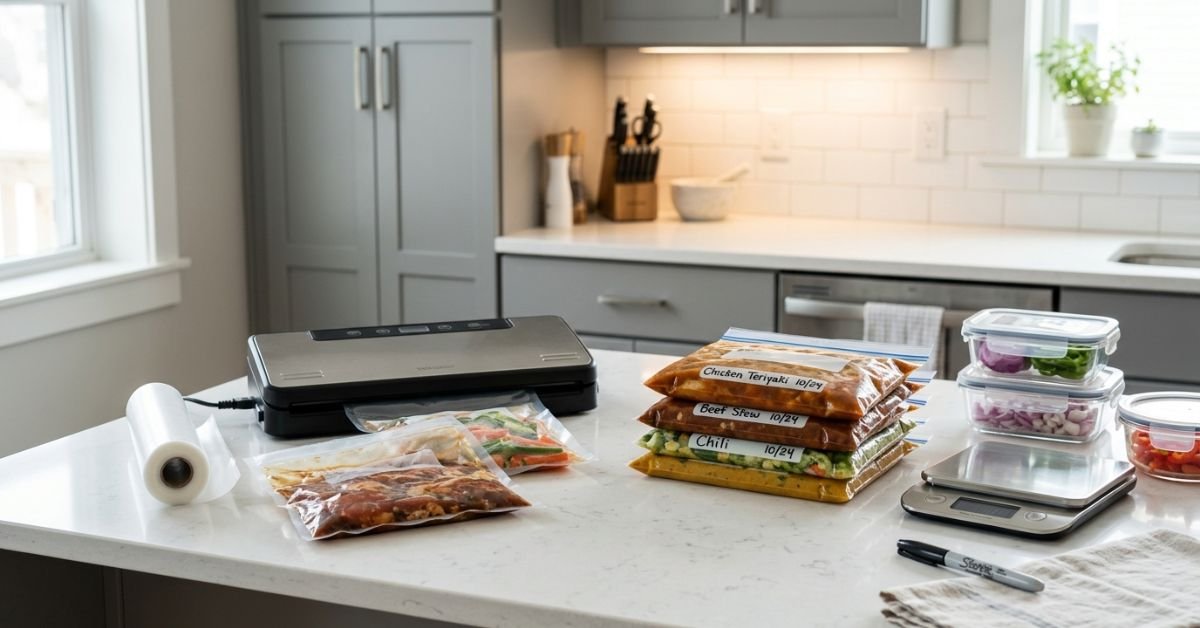
Before chopping an onion, we need to talk hardware. If you throw raw ingredients into flimsy ziplock bags with a handful of trapped ambient air, freezer burn mitigation fails before you even start. Ice crystals form, cell walls rupture, and you end up with oxidized, mushy protein.
Here is the exact setup I use to run batch cooking sessions:
- Vacuum Sealer: An edge-suction sealer works, though a chamber vacuum sealer handles high-moisture marinades without spitting liquid into the pump. Pulling a 95% vacuum halts oxidation in its tracks.
- Thermal Cooking Gadgets: An Instant Pot (6-quart or 8-quart) and a sous vide immersion circulator. Both let you cook directly from frozen without passing through the bacterial danger zone too slowly.
- Digital Scales: A kitchen scale measuring to the single gram prevents cost creep during unit price calculation.
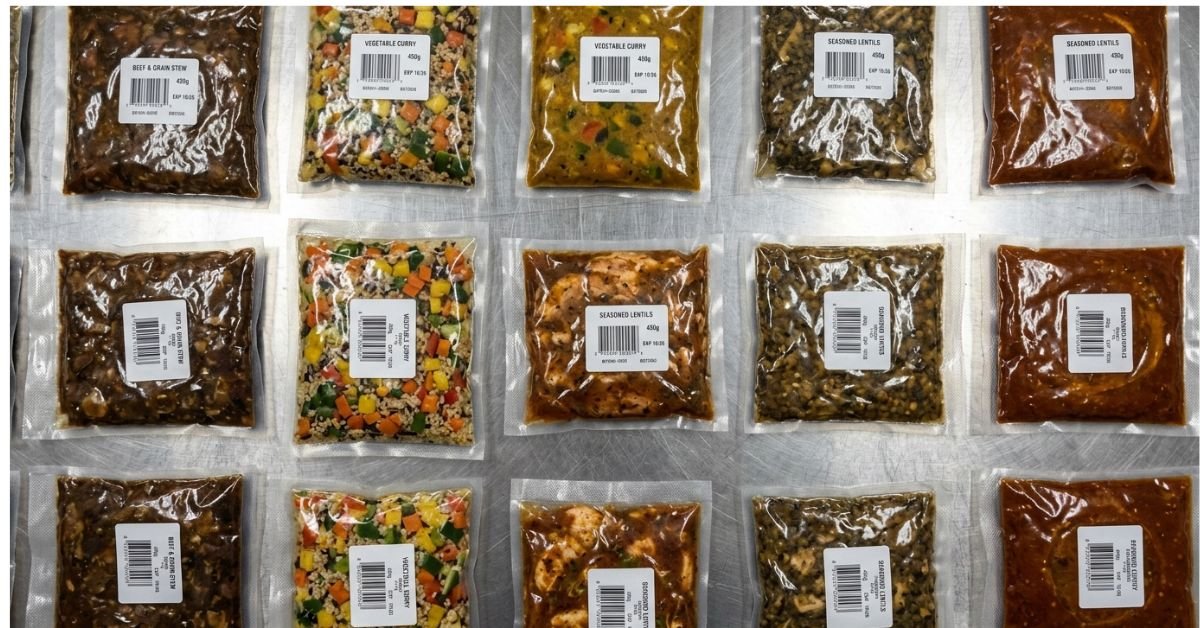
- Inventory Tracking: I use Grocy (integrated with my Home Assistant dashboard), though KitchenPal or a shared Notion database works well. Every bag gets a thermal sticker with a barcode containing the prep date, reheating instructions, and target internal temperature.
+---------------------------------------------------------+
|                  BATCH PREP WORKFLOW                    |
|                                                         |
|  [Bulk Grocery Run] -> [Digital Gram Scale Weigh-in]    |
|            |                                            |
|            v                                            |
|  [Assembly Line Prep] -> [Chamber Vacuum Sealing]       |
|            |                                            |
|            v                                            |
|  [Thermal Label Print] -> [Flat-Freeze on Baking Sheet] |
|            |                                            |
|            v                                            |
|  [Upright Bin File System (-18°C Deep Freeze)]          |
+---------------------------------------------------------+
The $3-Per-Serving Cost Formula
To keep every meal strictly under $3, I rely on bulk staples sourced from restaurant supply stores or warehouse clubs: boneless pork shoulder ($1.99/lb), dry legumes ($1.40/lb), chicken thighs ($1.89/lb), and seasonal root vegetables.


Your unit price calculation must account for the whole yield, not just raw ingredients. I add an extra $0.12 per serving for consumables like heavy-duty vacuum bags and thermal labels.
💰 More Cheap Living Tips You'll Love
- Debt Avalanche Method Step by Step: Fast Debt Payoff
- Debt Snowball on a Low Income: Does It Still Work in 2026-27?
- Debt Snowball Method: How It Works (With Real Example)
- Lower Your Electric Bill as a Renter: 12 Cheap Tech Ways
- Debt Snowball Worksheet: How to Fill It Out Correctly
- First Steps to Take When You Decide to Get Out of Debt
15 Freezer Meals Under $3 Each
These 15 recipes represent high-protein, nutritionally complete meals that freeze exceptionally well. Textures stay intact because we control moisture content and avoid dairy that breaks down under deep-freeze conditions.


1. Mexican Mojo Pulled Pork Carnitas
- Cost per portion: $1.85
- Base Hardware: Instant Pot or smart slow cooker
- Ingredients: 4 lbs pork shoulder cut into 2-inch chunks, orange juice, lime juice, ground cumin, oregano, 8 cloves crushed garlic, 1 diced white onion.
- Tech Method: Pack everything raw into an 11-inch vacuum pouch. Freeze flat.
- Cook From Frozen: Drop the frozen block straight into the Instant Pot with 1/2 cup of water. High pressure for 65 minutes, natural release for 15. Shred and broil on high for 4 minutes to crisp the edges.
2. Red Lentil and Coconut Dal
- Cost per portion: $0.98
- Base Hardware: Instant Pot
- Ingredients: Dry red lentils (masoor dal), canned full-fat coconut milk, canned crushed tomatoes, ginger-garlic paste, garam masala, turmeric, cumin seeds.
- Tech Method: Red lentils cook fast and turn creamy without dairy. Seal all dry and wet ingredients together.
- Cook From Frozen: Cook at high pressure for 12 minutes. Stir aggressively to emulsify the coconut fats back into the lentil base. Serve over steamed jasmine rice.
3. Korean Gochujang Ground Turkey Bowls
- Cost per portion: $2.35
- Base Hardware: Skillet or wok
- Ingredients: Lean ground turkey, gochujang paste, tamari/soy sauce, sesame oil, grated ginger, matchstick carrots, chopped scallions.
- Tech Method: Par-cook the ground turkey in a skillet until just browned (don’t overcook). Cool down rapidly in an ice bath. Combine with the sauce and vegetables in a flat vacuum seal bag.
- Cook From Frozen: Dump contents into a smoking hot wok with 2 tablespoons of water. Cover for 4 minutes to thaw, then stir-fry over high heat for 3 minutes until caramelized.
4. Tuscan White Bean and Smoked Sausage Ragù
- Cost per portion: $1.72
- Base Hardware: Smart slow cooker
- Ingredients: Smoked kielbasa or andouille sausage (sliced), 2 cans drained cannellini beans, crushed San Marzano-style tomatoes, dried rosemary, kale stems (chopped), chicken stock concentrate.
- Tech Method: Combine all raw components. Keep the leafy kale greens out of the freeze bag; freeze them in a separate small produce pouch to prevent sulfur odors from infusing the stew.
- Cook From Frozen: Run in a smart slow cooker on Low for 6 hours. Drop in the fresh greens during the final 20 minutes of heating.
5. Moroccan Chickpea and Sweet Potato Tagine
- Cost per portion: $1.28
- Base Hardware: Instant Pot or Dutch oven
- Ingredients: Drained chickpeas, cubed sweet potatoes, diced tomatoes, ground cinnamon, cumin, coriander, golden raisins, vegetable broth concentrate.
- Tech Method: Sweet potatoes hold up well in the freezer when cut into cubes larger than 1 inch. Smaller cuts turn starchy and mushy. Vacuum seal raw.
- Cook From Frozen: Instant Pot high pressure for 8 minutes, quick release. The sweetness from the raisins balances the earthy spices without needing expensive cuts of meat.
6. Lemon Herb Chicken Thigh Sheet Pan Dump Meal
- Cost per portion: $2.15
- Base Hardware: Sheet pan dump meals (Oven)
- Ingredients: Bone-in chicken thighs, baby red potatoes (halved), green beans, olive oil, lemon zest, crushed garlic, dried oregano.
- Tech Method: Coat everything in oil and seasoning. Use an extra-large gusseted freezer pouch. Lay the chicken skin-side up inside the bag.
- Cook From Frozen: Empty onto a hot sheet pan preheated to 425°F (220°C). Roast for 40-45 minutes until the chicken reaches 175°F internally (chicken thighs taste significantly better at this temperature than the standard 165°F minimum because the collagen breaks down).
7. Smoky Split Pea and Ham Hock Pot
- Cost per portion: $1.15
- Base Hardware: Instant Pot
- Ingredients: Dried green split peas, celery, carrots, yellow onion, smoked ham shank, chicken stock base, bay leaves, smoked paprika.
- Tech Method: Bag all ingredients raw. Split peas do not require pre-soaking if you cook them under pressure.
- Cook From Frozen: 35 minutes high pressure, natural release for 20 minutes. Pull the ham shank, shred the meat off the bone, discard the cartilage, and stir the meat back through the creamy pea puree.
8. Beef Barbacoa Chuck Roast Strips
- Cost per portion: $2.92
- Base Hardware: Instant Pot or sous vide immersion circulator
- Ingredients: Chuck roast trimmed and cut into 3-inch strips, chipotle peppers in adobo, apple cider vinegar, lime juice, ground cloves, Mexican oregano, beef stock concentrate.
- Tech Method: Blend the adobo, vinegar, and spices into a smooth paste. Coat the meat generously and vacuum seal.
- Cook From Frozen (Sous Vide Option): Cook directly in the vacuum bag at 160°F (71°C) for 20 hours for tender meat that stays juicy.
9. Mediterranean Swai / Tilapia Herb Parcels
- Cost per portion: $2.45
- Base Hardware: Oven or Sous vide immersion circulator
- Ingredients: Firm white fish fillets (Swai, Tilapia, or Cod), halved cherry tomatoes, capers, Kalamata olives, thinly sliced fennel, olive oil, dry white wine splash.
- Tech Method: Fish easily gets crushed by vacuum pressure. If you lack a chamber sealer with pulse-vacuum features, freeze the raw fish solid on a parchment-lined tray for 2 hours before pulling a seal.
- Cook From Frozen: Sous vide at 131°F (55°C) for 45 minutes straight from the freezer, or bake inside parchment at 375°F (190°C) for 25 minutes.
10. Creamy Butternut Squash and Sage Pasta Sauce
- Cost per portion: $1.10
- Base Hardware: High-speed blender + Instant Pot
- Ingredients: Peeled and diced butternut squash, yellow onion, fresh sage, vegetable broth, nutritional yeast, roasted garlic cloves.
- Tech Method: Pressure cook for 7 minutes, blend smooth using an immersion blender, and allow to cool completely before packing into flat freezer bags.
- Cook From Frozen: Thaw directly in a saucepan over medium heat for 6 minutes while your pasta boils. Stir through penne with some pasta cooking water.
11. Cajun Red Beans and Andouille Base
- Cost per portion: $1.65
- Base Hardware: Smart slow cooker
- Ingredients: Sliced andouille sausage, soaked kidney beans (boiled for 10 minutes prior to freezing to eliminate phytohaemagglutinin), the “Holy Trinity” (diced onion, celery, green bell pepper), Cajun spice blend.
- Tech Method: Never freeze raw kidney beans without a pre-boil phase. Pack the boiled beans, vegetables, and sausage into a freezer pouch.
- Cook From Frozen: Set smart slow cooker to Low for 7 hours. Mash a cup of beans against the wall of the cooker near the end to thicken the sauce.
12. Teriyaki Tofu and Edamame Stir-Fry Prep
- Cost per portion: $1.40
- Base Hardware: Skillet / Cast iron
- Ingredients: Extra-firm tofu (pressed and cubed), frozen shelled edamame, red bell pepper slices, dark soy sauce, mirin, brown sugar, cornstarch.
- Tech Method: Freezing changes the molecular structure of tofu. Ice crystals form large pockets inside the protein matrix, giving it an airy, chewy texture that absorbs sauces far better than fresh tofu.
- Cook From Frozen: Sear the frozen tofu and veggies in a screaming hot cast-iron skillet for 6 minutes. Pour the sauce in during the final 90 seconds to glaze.
13. Shepard’s Pie Savory Beef & Lentil Filling
- Cost per portion: $2.30
- Base Hardware: Oven (reheat) / Stovetop
- Ingredients: 50/50 mix of lean ground beef and brown lentils, frozen peas, diced carrots, Worcestershire sauce, tomato paste, beef bone broth.
- Tech Method: Blending lentils with beef cuts saturated fat and halves protein costs without compromising the hearty texture. Cook down the meat-lentil gravy until thick, then freeze flat in square silicone mold trays.
- Cook From Frozen: Pop the frozen block into a baking dish, pipe fresh or instant mashed potatoes over the top, and bake at 400°F (204°C) for 35 minutes until bubbly.
14. Chickpea & Spinach Coconut Korma
- Cost per portion: $1.35
- Base Hardware: Instant Pot
- Ingredients: Drained chickpeas, frozen chopped spinach, korma curry paste, coconut milk, diced onions, crushed cashews.
- Tech Method: Spinach contains a lot of water. Squeeze out excess moisture from thawed spinach before packing, or stick with whole-leaf frozen portions to keep the korma thick.
- Cook From Frozen: Instant Pot on High Pressure for 5 minutes. The short cook time keeps the cashews crunchy and prevents the coconut base from splitting.
15. Honey-Mustard Pork Chops with Roasted Apples
- Cost per portion: $2.20
- Base Hardware: Sheet pan dump meals
- Ingredients: Bone-in thick pork chops, tart Granny Smith apples (sliced thick), coarse Dijon mustard, honey, apple cider vinegar, dried thyme.
- Tech Method: Coat the chops in the marinade. The acidity in the mustard tenderizes the meat during freezing and thawing.
- Cook From Frozen: Place directly onto an oiled sheet pan and bake at 380°F (193°C) for 25-30 minutes until internal probe hits 145°F (63°C).
Pro Tip: The “Thermal Mass” Freezing Method
Don’t throw 15 room-temperature bags into an empty freezer at the same time. The total thermal mass will raise your freezer’s internal temp from 0°F (-18°C) up into the 20s for hours, creating large ice crystals that damage food texture.
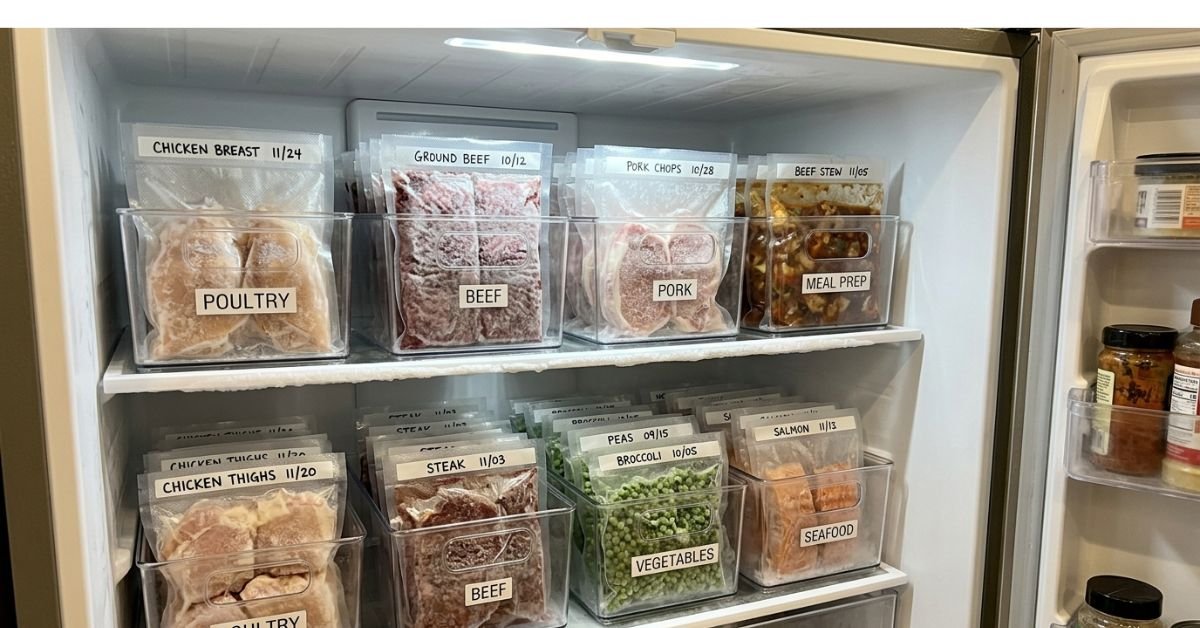
Chill all meal bags in an ice-water bath in your sink for 15 minutes before freezing. Next, stack them flat across the bottom shelf of your freezer with a small gap between each bag to maximize airflow. Once frozen solid (usually 4 to 6 hours), line them up vertically like books in a bin.
Avoiding the Traps: Food Safety & Freezing Realities
When working with frozen food, small prep mistakes lead to poor textures and food safety risks. I learned a few lessons the hard way during my early meal-prep experiments:
- Strict Adherence to USDA Food Safety Guidelines: Raw poultry and meats should never sit on the counter to thaw. If you cook directly from frozen, use an Instant Pot or oven. Avoid standard slow cookers for large frozen poultry blocks, as they take too long to heat the core out of the 40°F–140°F danger zone.
- The Starch Breakdown Effect: Russet potatoes turn into a watery, gritty mess after freezing. Use waxy baby red potatoes, Yukon golds, or sweet potatoes instead. Their higher moisture and waxier starch chains hold their shape during freezing.
- Dairy Separation: Heavy cream, sour cream, and cream cheese split and look curded after freezing. Skip them during the prep phase. Freeze the base without dairy, then stir in dairy products during the final minutes of cooking.
Managing Your Deep Freezer Inventory with Tech
The biggest waste in meal prep is forgetting what you cooked. When meals sit hidden in the back of the freezer for nine months, they lose flavor.
I organize my upright freezer into clear acrylic bins sorted by protein type: Poultry, Red Meat, Plant-based, and Soups. Every vacuum pouch has a label printed with a handheld thermal Bluetooth printer.
+------------------------------------------+
| RECIPE: Mojo Pulled Pork (4 Portions)    |
| PREP DATE: 2024-11-04  | EXP: 2025-05-04 |
| COST/PORTION: $1.85                      |
| METHOD: Instant Pot (Frozen)             |
| SETTINGS: High Pressure - 65 Min         |
| [|||| || ||||| |||| ||| |||||||] (Barcode) |
+------------------------------------------+
When I pull a meal from the freezer, I scan the barcode using my phone’s camera, which triggers an API call that deducts the item from my inventory. If you don’t need a custom database setup, a basic dry-erase magnet board on the freezer door works just as well.
Frequently Asked Questions
Can you cook all of these meals directly from a frozen state?
Yes, with the right equipment. Instant Pots, pressure cookers, and sous vide circulators handle frozen foods safely because they transfer heat quickly. For sheet pan dump meals, preheat the oven and pan together so the ingredients start sizzling the moment they hit the metal. Don’t use a slow cooker for large cuts of frozen meat—thaw them overnight in the fridge first to stay within food safety guidelines.
How do I stop freezer burn without buying expensive vacuum gear?
If you’re using zip-top bags, use the water displacement method. Place your food in the bag, zip it almost all the way closed, and slowly lower the bag into a bowl of cold water. The water pressure pushes ambient air out through the remaining opening. Zip it shut right before the water reaches the seal. It won’t match a vacuum sealer, but it cuts air pockets down by about 80%.
How long do these meals safely keep in sub-zero storage?
Food stored continuously at 0°F (-18°C) or lower remains safe to eat indefinitely according to food safety standards. For the best flavor and texture, eat vacuum-sealed meals within 6 to 9 months. Meals packed in standard freezer bags should be eaten within 2 to 3 months before moisture loss sets in.
Why do you avoid freezing whole cooked pasta and rice?
Starches absorb liquid as they sit. If you freeze cooked rice or pasta inside a soup or stew, they turn into a mushy porridge during reheating. It’s better to freeze the sauce or protein base flat, then boil fresh pasta or steam a batch of rice in a rice cooker on the night you eat. The texture is much better, and fresh starches cost just pennies per serving.