
25 Budget Meals Under $5 That Taste Amazing (Using Smart Tech).Last winter, my local grocery store raised eggs to nearly $5 a carton, and my electric utility pushed peak kilowatt-hour rates past 28 cents. Standing in the produce aisle, I pulled out my phone, pulled down raw pricing data from an API script I had set up for local store circulars, and felt a tiny wave of frustration. Cooking on a tight budget used to mean boiling plain white beans until they lost their soul or choking down dry, boiled chicken breasts.
- 1. The Tech-Driven Pantry: Optimizing Cost Per Serving With Digital Tools
- 2. The 25 Sub-$5 Smart Meals
- 3. Pressure Cooker & Smart Multi-Cooker Staples
- 4. Crispy Air Fryer Marvels
- 5. Sous Vide Hacks for Budget Cuts
- 6. Induction Cooktop & Smart Batch Prep Recipes
- 7. Energy & Waste: What My Smart Plugs Taught Me
- 8. Frequently Asked Questions
- 9. Can I actually get enough protein on a $5 meal plan?
- 10. Are smart kitchen appliances really worth the upfront cost?
- 11. How do you track grocery prices accurately across different stores?
- 12. Isn’t sous vide cooking too slow for everyday dinner?
It does not have to be that way.
Over the last five years, I have tested dozens of connected kitchen gadgets while measuring exact wall-outlet wattage with smart plugs. With a couple of smart techniques, you can eat like a line cook at an upscale bistro while spending less than $5 per generous serving. Combining a few smart grocery tracking apps with precision, energy-efficient appliances transforms dirt-cheap staples into meals you will crave.
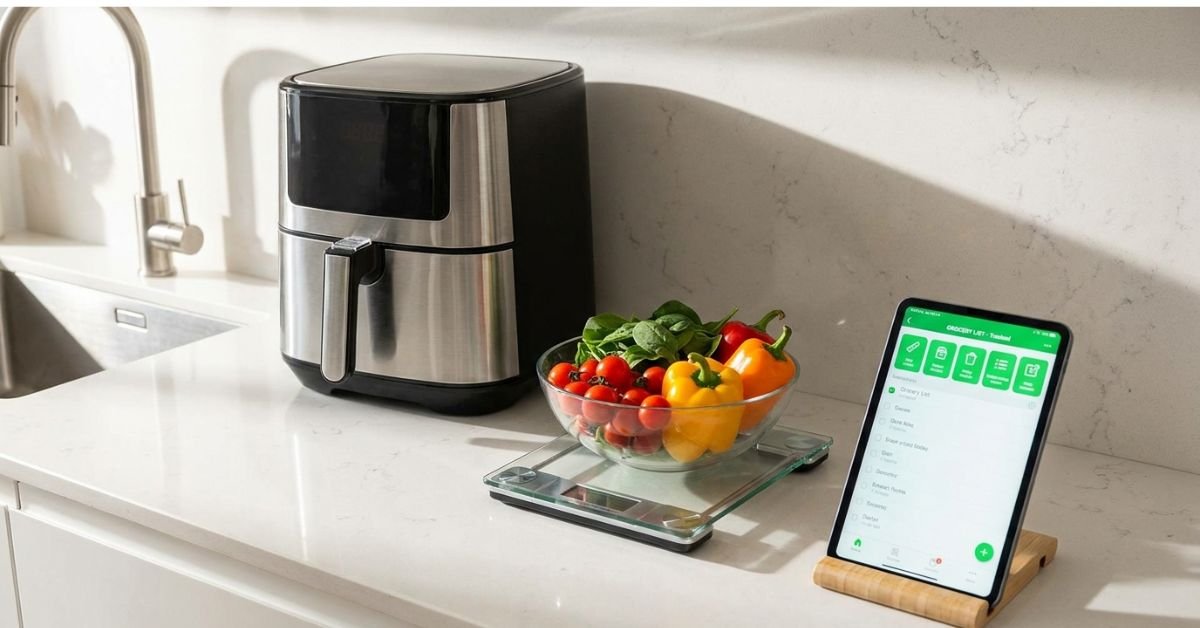


The Tech-Driven Pantry: Optimizing Cost Per Serving With Digital Tools
Slashing dinner costs without eating cardboard comes down to controlling two variables: ingredient cost per gram and the energy used to cook it.
I stopped guessing years ago. Here are the core tools that make these 25 meals dirt cheap:
- Smart Sourcing Apps: I use Flipp every Sunday to cross-reference weekly ads across regional grocers (think Aldi, Lidl, or your local Kroger/HEB affiliate). Pair that with Flashfood to grab high-end proteins and dairy hit with 50% markdowns because they have hit their “best by” date.
- A Connected Digital Food Scale: Humans are terrible at estimating portions. You think you poured three ounces of dried lentils; you actually poured six. Weighing ingredients on a digital food scale locks in your real cost-per-serving calculations.
- Food Waste Reduction Tech: An app like Paprika or Plan to Eat syncs directly with an inventory spreadsheet. When you track what is sitting in your crisper drawer, you avoid throwing away the $3 wilted bundle of cilantro you forgot about behind the milk.
- Energy-Efficient Appliances: Running an old 3,000-watt electric oven for 75 minutes to roast two sweet potatoes is financial self-sabotage. Using an 8-quart Instant Pot or a countertop Air Fryer draws between 1,200 and 1,700 watts for a fraction of that run time, saving real cash on your utility bill.
The 25 Sub-$5 Smart Meals
These meals were weighed, logged, and calculated down to the cent based on average nationwide retail prices (sourced via bulk buys at stores like Aldi, WinCo, and local produce stands).


Pressure Cooker & Smart Multi-Cooker Staples
[Grocery App Alert: Dried legumes bought in 5lb bulk bags drop cost per serving under $0.25]
1. Smoky Black Bean & Sweet Potato Chili
- Cost Per Serving: $1.15
- The Tech Factor: Instant Pot / Smart Multi-Cooker
- How it works: Unsoaked dried black beans usually take hours. Toss 1 lb of dried beans with cubed sweet potatoes, canned fire-roasted tomatoes, smoked paprika, cumin, and chipotle paste into your pressure cooker. Run it on High Pressure for 35 minutes with a natural release. The high heat hydrolyzes the starches in the sweet potatoes, turning the cooking liquid into a velvety, thick gravy without needing flour or expensive thickeners.
2. Garlic-Ginger Lentil Dal with Turmeric Basmati
- Cost Per Serving: $0.85
- The Tech Factor: Multi-cooker timed sauté + pressure cycles
- How it works: Brown onions, grated ginger, and garlic using the Sauté function. Dump in red split lentils, canned coconut milk, and vegetable scrap broth. Pressure cook for 10 minutes. The red lentils dissolve into a lush sauce. Serve it over yellow basmati cooked concurrently in a stackable pot-in-pot insert.
3. Cuban-Style Turkey Picadillo
- Cost Per Serving: $2.40
- The Tech Factor: Instant Pot
- How it works: Ground beef has gotten expensive, but ground turkey sourced on sale through discount apps is a bargain. Brown the turkey with cumin, oregano, green olives, capers, raisins, and tomato sauce. Seal and cook under pressure for 8 minutes to force the brine of the olives directly into the turkey, banishing any dryness.
4. Pulled Salsa Chicken Rice Bowls
- Cost Per Serving: $1.85
- The Tech Factor: Smart multi-cooker with auto-keep-warm
- How it works: Bone-in, skin-on chicken thighs run half the price of boneless breasts. Cook the thighs directly in a jar of cheap salsa and taco seasoning for 14 minutes. Pull the chicken, discard the bones, and shred the meat. Use the leftover cooking liquid to cook dry rice using the rice preset. Zero food waste, immense flavor.
5. Tuscan White Bean & Rosemary Soup
- Cost Per Serving: $1.30
- The Tech Factor: Pressure cooker
- How it works: Dried cannellini beans, yellow onion, carrots, celery, and a leftover Parmesan rind you pulled from the freezer. Pressure cook for 40 minutes. Blend a third of the soup using an immersion blender to create a rich mouthfeel that tastes like it simmered all afternoon on a Tuscan stovetop.
6. Beef Shank Ragù over Creamy Polenta
- Cost Per Serving: $3.10
- The Tech Factor: Dual-sensor slow cooker mode
- How it works: Beef shank is packed with connective tissue and bone marrow, making it one of the cheapest cuts at the butcher counter. Sear it hard, add canned crushed tomatoes and garlic, and slow-cook for 6 hours until the collagen liquefies into gelatin. Shred the beef into the sauce and spoon it over polenta cooked on your stovetop in 5 minutes.
7. Savory Steel-Cut Breakfast-for-Dinner Oats
- Cost Per Serving: $0.95
- The Tech Factor: Delayed-start multi-cooker
- How it works: Cook steel-cut oats in vegetable stock instead of milk or water. Top the warm grain bowl with a fried egg, a drizzle of toasted sesame oil, chili crisp, and thinly sliced green onions. It is hearty, nutrient-dense, and dirt-cheap.
Crispy Air Fryer Marvels
Air fryers use convection heat concentrated into a small footprint, crisping food without requiring half a bottle of expensive cooking oil.
💰 More Cheap Living Tips You'll Love
- How Long to Pay Off Debt? Tech Tools to Find Out Fast
- Pay Off Debt Faster Without Earning More: Tech Guide
- Lower Your Electric Bill as a Renter: 12 Cheap Tech Ways
- First Steps to Take When You Decide to Get Out of Debt
- Debt Snowball Worksheet: How to Fill It Out Correctly
- Debt Avalanche Method Step by Step: Fast Debt Payoff
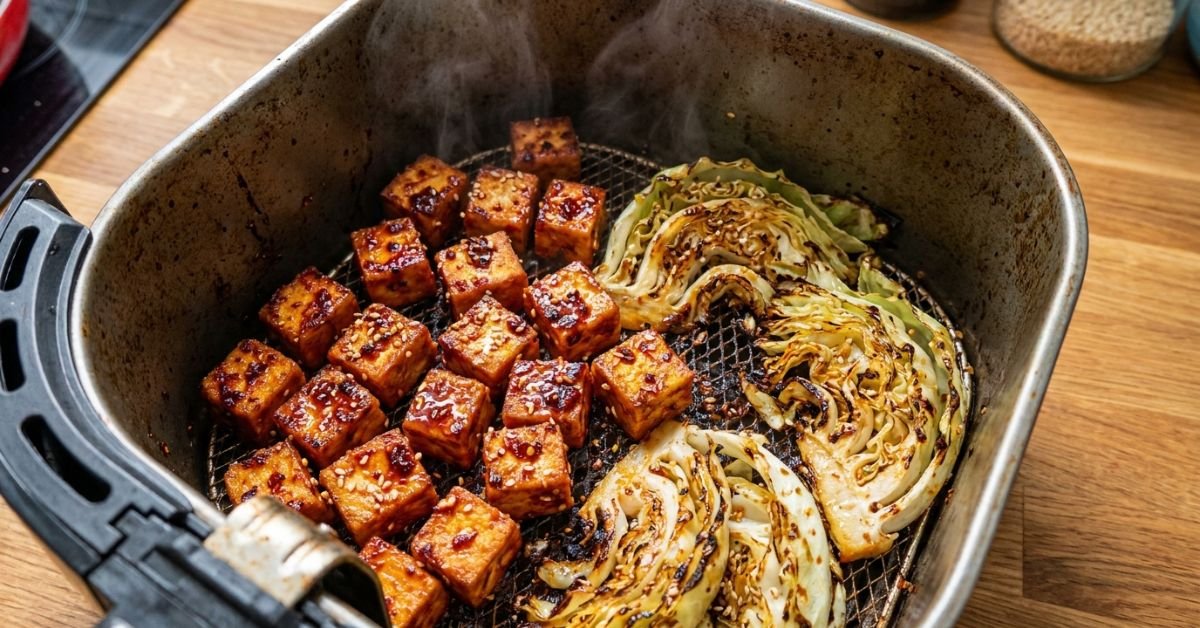


8. Crispy Gochujang Tofu Bowls
- Cost Per Serving: $1.65
- The Tech Factor: Air Fryer (400°F / 200°C)
- How it works: A 16-ounce block of firm tofu costs around $1.75. Press the moisture out, cut into cubes, and toss with a teaspoon of cornstarch and soy sauce. Air fry for 14 minutes, shaking halfway. Toss the crisp cubes in a quick sauce of gochujang, honey, and vinegar. Serve over steamed jasmine rice.
9. Za’atar Roasted Chickpeas over Herbed Toast
- Cost Per Serving: $1.40
- The Tech Factor: Air Fryer basket
- How it works: Rinse and thoroughly dry two cans of chickpeas (or home-cooked from dry). Toss with olive oil, salt, and za’atar. Air fry at 390°F for 12 minutes until crunchy. Spread thick-cut, day-old bakery bread with a layer of Greek yogurt mixed with garlic, and top with the warm chickpeas.
10. Garlic Herb Chicken Thighs with Slaw
- Cost Per Serving: $2.20
- The Tech Factor: Digital probe-monitored air fryer
- How it works: Chicken quarters or bone-in thighs go on sale constantly. Season heavily with garlic powder, oregano, and salt. Cook skin-side down for 12 minutes, flip, and air fry skin-side up for 10 minutes until the skin bubbles into glass-like crackling. Serve with shredded green cabbage tossed in vinegar.
11. Stuffed Broccoli-Cheddar Baked Potatoes
- Cost Per Serving: $1.25
- The Tech Factor: Air Fryer
- How it works: Poke large russet potatoes with a fork, rub with oil and salt, and air fry at 400°F for 40 minutes. Scoop out the fluffy interior, mash with steamed frozen broccoli florets, a splash of milk, and sharp cheddar. Spoon back into the skins and broil for 3 minutes until bubbling.
12. Charred Sesame-Soy Cabbage Steaks
- Cost Per Serving: $1.10
- The Tech Factor: Air Fryer
- How it works: Cabbage costs pennies per pound. Slice a head into thick, 1-inch “steaks.” Brush with a mixture of soy sauce, garlic, and sesame oil. Air fry at 380°F for 15 minutes. The edges caramelize and turn crisp while the core becomes tender and sweet. Pair with a hard-boiled egg and rice.
13. Street-Style Fish Tacos
- Cost Per Serving: $2.45
- The Tech Factor: Air Fryer
- How it works: Buy bags of frozen white fish fillets (swai or tilapia). Cut into strips, dip in seasoned flour, and spray lightly with oil. Air fry for 9 minutes at 400°F. Pack into warm corn tortillas with shredded cabbage, lime juice, and hot sauce.
Sous Vide Hacks for Budget Cuts
Sous vide precision cookers keep water at an exact temperature within 0.1 degrees. This allows you to pasteurize and tenderize the toughest, cheapest cuts of meat until they taste like prime rib.
Expert Insight: The Enzyme Activation Trick
Tough cuts like chuck roast or beef heart contain heavy collagen. If you run your immersion circulator between 131°F and 135°F (55°C–57°C) for 24 to 30 hours, collagen hydrolyzes without squeezing out intracellular water. The meat retains a medium-rare pink hue throughout while softening until you can cut it with a butter knife. You turn a $4.50/lb cut into a $25-tasting steakhouse plate.
14. 24-Hour Chuck Eye Steak with Garlic Mash
- Cost Per Serving: $3.80
- The Tech Factor: Sous Vide Precision Cooker
- How it works: Chuck eye steaks cost a fraction of ribeyes. Bag them with butter, thyme, and garlic. Cook at 133°F for 24 hours. Pull, pat dry with paper towels, and sear in a smoking-hot cast iron skillet for 45 seconds per side.
15. Chashu-Style Pork Belly Ramen
- Cost Per Serving: $2.30
- The Tech Factor: Sous Vide & Instant Pot Duo
- How it works: Roll a small cut of cheap pork belly and seal it with soy sauce, mirin, and brown sugar. Sous vide at 155°F for 10 hours until tender. Slice thin and torch the edges. Serve over instant ramen upgraded with a homemade 6-minute soft-boiled egg and scallions.
16. Marinated Pork Loin Chops with Apple Slaw
- Cost Per Serving: $2.10
- The Tech Factor: Sous Vide Cooker
- How it works: Pork loin often dries out when cooked in a pan. Bag thick-cut pork chops with mustard and sage. Cook at 140°F for two hours. It remains incredibly juicy. Give it a fast 60-second sear on each side and serve with a simple slaw made from tart apples and cabbage.
17. Butter-Basted Turkey Breast Cutlets
- Cost Per Serving: $2.75
- The Tech Factor: Sous Vide Cooker
- How it works: Slice whole bone-in turkey breast (snagged deeply discounted right after the holidays). Cook at 145°F for 3 hours. Sear in browned butter and serve with roasted root carrots.
18. Miso-Glazed Carrot Steaks over Quinoa
- Cost Per Serving: $1.60
- The Tech Factor: High-heat Sous Vide
- How it works: Whole thick carrots bagged with white miso paste, butter, and ginger. Cook at 185°F for one hour to fully soften the plant starches. Flash-sear in a skillet until blistered and serve over fluffy quinoa.
Induction Cooktop & Smart Batch Prep Recipes
Induction cooktops transfer roughly 85% to 90% of their electromagnetic energy directly to the pan. Traditional gas ranges hover around 35% to 40%. You spend less time standing by the stove and waste less energy heating your kitchen.
19. Spicy Harissa Shakshuka
- Cost Per Serving: $1.50
- The Tech Factor: Induction burner
- How it works: Simmer canned crushed tomatoes, harissa paste, diced bell peppers, and cumin in a wide pan. Make small wells in the sauce, crack in fresh eggs, cover, and drop the induction temp to medium-low for 6 minutes until the egg whites set and yolks stay runny. Mop up with stale crusty bread.
20. Sesame Peanut Cold Noodles
- Cost Per Serving: $1.35
- The Tech Factor: Batch cooking prep
- How it works: Cook spaghetti or dry ramen noodles. Whisk creamy peanut butter, warm water, soy sauce, rice vinegar, and garlic into a smooth sauce. Toss with cold noodles, sliced cucumbers, and matchstick carrots. Keeps in the fridge for 5 days without getting soggy.
21. Kimchi Fried Rice with Runny Fried Egg
- Cost Per Serving: $1.75
- The Tech Factor: High-power induction sear
- How it works: Old, day-old white rice is essential here. Sauté sour kimchi with a touch of butter and spam or bacon scraps. Blast on high induction heat with the rice to get crispy edges on the bottom. Top with a fried egg and toasted nori.
22. Scrap Minestrone Soup
- Cost Per Serving: $0.95
- The Tech Factor: Smart freezer tracking & multi-cooker
- How it works: Save carrot tops, celery ribs, and onion skins in a freezer bag. Pressure-cook them with water for 20 minutes to make a flavorful stock. Discard the spent vegetables, then add a can of kidney beans, diced zucchini, pasta shells, and canned tomatoes for a classic vegetable soup.
23. Cheesy Green Chile Polenta Casserole
- Cost Per Serving: $1.45
- The Tech Factor: Batch Prep
- How it works: Whisk coarse yellow cornmeal into salted water until thick. Stir in a 4-ounce can of mild diced green chiles and pepper jack cheese. Pour into a baking dish, let it chill until solid, slice, and pan-fry in a nonstick skillet until crisp on the exterior.
24. Authentic Mujadara (Lentils, Rice & Crispy Onions)
- Cost Per Serving: $0.80
- The Tech Factor: Multi-cooker
- How it works: Slice three large brown onions paper-thin. Fry slowly in vegetable oil until deep dark brown. Cook brown lentils and white rice together with cumin and coriander in your pressure cooker for 12 minutes. Layer the spiced grains with piles of the crispy onions.
25. Scratch Falafel Wraps with Garlic Tahini
- Cost Per Serving: $1.90
- The Tech Factor: Food processor & Air Fryer combo
- How it works: Blend soaked (never boiled!) dried chickpeas with garlic, parsley, cilantro, and cumin in a food processor. Roll into small patties, spray with olive oil, and air fry for 15 minutes at 375°F. Wrap in flatbread with homemade garlic-tahini sauce and pickled red onions.
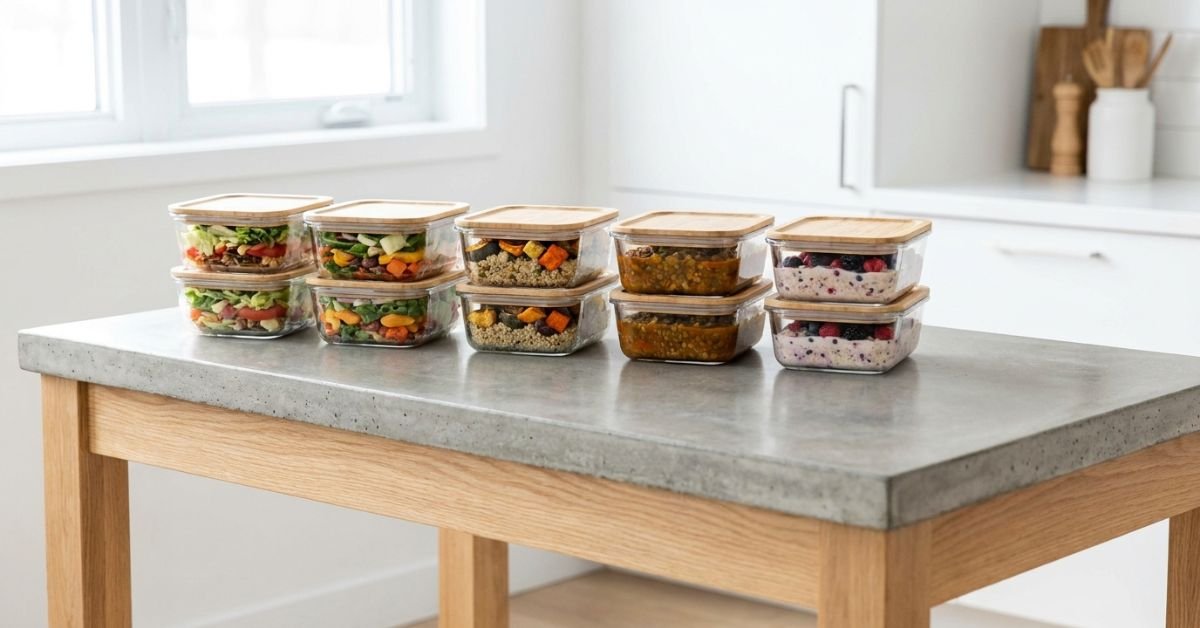
Energy & Waste: What My Smart Plugs Taught Me
When you try to keep meals under five bucks, every hidden expense matters—especially cooking fuel and spoiled ingredients.
I plugged my 1,500-watt Ninja air fryer and my 1,000-watt Instant Pot into a smart home energy monitor for three months. Cooking a meal in the pressure cooker averaged 0.32 kWh. Roasting an equivalent weight of meat and root vegetables in my older electric oven consumed 2.14 kWh when factoring in the 20-minute preheat cycle. Over an entire month of daily cooking, switching those tasks to countertop multi-cookers shaved around $16 off my electric bill. That is enough to pay for several dinners on this list.
To cut food waste further, consider grabbing the Too Good To Go app. Bakeries and markets near you dump end-of-day bread, produce boxes, and prepared foods for $3.99 to $5.99 per giant bag. Throwing excess sourdough into the freezer and pulling slices as needed keeps high-quality carbs on your table for pocket change.
Frequently Asked Questions
Can I actually get enough protein on a $5 meal plan?
Yes. Relying entirely on ribeye or boneless skinless chicken breast gets expensive, but bone-in chicken thighs, canned sardines, pork shoulder, eggs, lentils, and firm tofu offer clean, cheap protein. Several meals on this list (like the Pulled Salsa Chicken Bowls and the Gochujang Tofu) provide well over 30 grams of protein per serving while staying under $2.50.
Are smart kitchen appliances really worth the upfront cost?
If you pay full retail for high-end flagship models, the payback window is long. But you do not need a $300 gadget. Basic 6-quart Instant Pots and 4-quart air fryers regularly sell on sale for $40 to $60. If using one stops you from ordering takeout twice a month or saves you $15 on your electric bill, the hardware pays for itself within two or three months.
How do you track grocery prices accurately across different stores?
I run a weekly search on the Flipp app using broad terms like “chicken,” “rice,” and “cabbage.” It aggregates circulars from every grocery store within your zip code. Additionally, using grocery store loyalty apps allows you to digitally clip manufacturer coupons directly onto your loyalty barcode before heading to the register.
Isn’t sous vide cooking too slow for everyday dinner?
Sous vide takes longer to cook, but the hands-on active prep time is almost zero. You drop bagged food into the bath in the morning before work or the night before. Because the water bath never rises above your set temperature, the meat cannot overcook or dry out even if you leave it in for an extra three hours. You walk into the kitchen after work, sear the meat for two minutes, and dinner is served.