7 Day Budget Meal Plan Under $75: Tech-Driven Grocery Guide.Three months ago, I stood at a self-checkout terminal watching the digital register tick past $142. All I had in my cart was two bags of produce, some ground beef, and a handful of pantry staples meant to last maybe three days. I run a home network with customized DNS sinks, automated server backups, and smart power monitors, yet I was walking into the grocery store like it was 1995—completely blind to pricing data.
- 1. The Tech Stack: Software Before Supermarket
- 2. 1. Pantry Inventory Tracker
- 3. 2. Grocery Price Tracker Apps
- 4. 3. Digital Grocery Coupons & Loyalty Portals
- 5. 4. Smart Meal Planning Algorithms & Food Waste Reduction
- 6. The Master $75 Grocery Blueprint
- 7. 7-Day Meal Schedule: Tech-Assisted Cooking
- 8. The Breakfast & Lunch System
- 9. Dinner Schedules
- 10. Pro Tip: The In-Aisle Unit Price Check
- 11. Batch Cooking Tech and Common Budget Traps
- 12. 1. App Notification Fatigue
- 13. 2. The Fresh vs. Frozen Trap
- 14. 3. Ignoring Bone-in Cuts
- 15. Frequently Asked Questions
- 16. Can this meal plan meet daily protein requirements for active adults?
- 17. What if my local grocery store doesn’t have an app or digital coupons?
- 18. Are the prices in this plan realistic with inflation?
- 19. Is an Instant Pot mandatory to make this work?
- 20. How do I handle picky eaters with a rigid plan like this?
I decided to treat our family grocery run like any other optimization problem.
Could a family of four (two adults, two school-aged kids) eat well for seven entire days on a strict $75 budget without eating plain ramen packets every night? Yes, but you can’t do it relying on memory or handwritten scraps of paper. You need data, calculated unit pricing, and a few smart kitchen tools working in tandem.


The Tech Stack: Software Before Supermarket
Before spending a single dollar, your phone needs to do the heavy lifting. Walking into a discount grocer unprepared is how impulse buys wreck your ledger. Here is the exact stack I configure every Sunday morning before setting foot outside.
       [ SuperCook / Grocy ]  --> Audits Existing Pantry Scraps
                 │
                 ▼
       [ Flipp & Store Apps ] --> Grabs Circulars & Digital Grocery Coupons
                 │
                 ▼
       [ AnyList / Out of Milk ] --> Generates Automated Grocery Lists with Unit Limits
                 │
                 ▼
       [ In-Aisle Scanning ]  --> Barcode Scanning Grocery Tools Verify Unit Costs
1. Pantry Inventory Tracker
Before buying food, know what you already own. I use Pantry Check (though an open-source tool like Grocy works wonders if you self-host). By keeping tabs on the half-bag of rice and dried spices lingering in your cupboard, you stop rebuying duplicates.
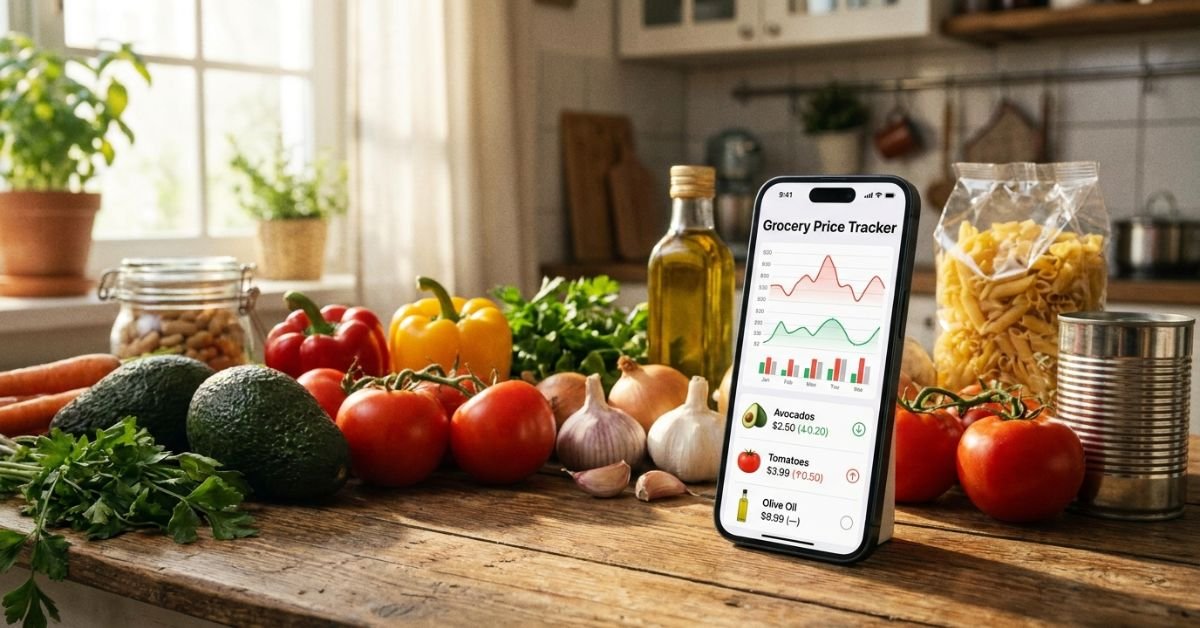
2. Grocery Price Tracker Apps
I lean heavily on Flipp to aggregate weekly store flyers from nearby stores (Aldi, Lidl, Walmart, and local regional markets). Flipp indexes circulars so you can search for “eggs” and instantly see which shop down the road has the lowest price floor that week.


3. Digital Grocery Coupons & Loyalty Portals
Supermarket loyalty programs are essentially data brokers, but if you want discounts, you have to trade the data. Clipping digital coupons in native apps (like the digital coupons at Kroger, Meijer, or Lidl) before leaving the house saves an average of $8–$12 per basket.
💰 More Cheap Living Tips You'll Love
- Debt Snowball Worksheet: How to Fill It Out Correctly
- Debt Snowball Method: How It Works (With Real Example)
- Lower Your Electric Bill as a Renter: 12 Cheap Tech Ways
- First Steps to Take When You Decide to Get Out of Debt
- Pay Off Debt Faster Without Earning More: Tech Guide
- Debt Snowball vs Avalanche: Which Repayment Strategy Wins?
4. Smart Meal Planning Algorithms & Food Waste Reduction
Apps like SuperCook let you toggle ingredients you already have and automatically spit out recipe combinations. For last-minute protein discounts, check Flashfood or Too Good To Go. They list surplus meat, bakery items, and produce nearing sell-by dates at 50% to 70% off retail.


The Master $75 Grocery Blueprint
To keep a family of four fed across 21 meals plus basic snacks, every single item must justify its cost per calorie and nutritional profile. We rely on cheap, dense whole foods: dry legumes, eggs, whole grains, seasonal root vegetables, and a single versatile cut of meat.
I ran this exact basket through a standard discount supermarket (Aldi/Walmart equivalent baseline):
| Category | Item & Quantity | Est. Price | Core Function / Meals | | :— | :— | :— | :— | | Protein | Large Eggs (2 dozen) | $4.80 | Breakfasts, Frittata, Fried Rice | | Protein | Dry Black Beans (1 lb / 450g) | $1.45 | Chili, Burrito Bowls | | Protein | Dry Brown Lentils (1 lb / 450g) | $1.60 | Minestrone, Lentil Bolognese | | Protein | Bone-in Chicken Thighs (4.5 lbs) | $8.95 | Sheet-pan dinner, Pulled chicken, Soup base | | Grains | Long-Grain White Rice (5 lb bag) | $3.65 | Base for bowls, Fried rice, Side | | Grains | Rolled Oats (42 oz / 1.2kg container)| $3.80 | 7 days of family breakfasts | | Grains | Whole Wheat Bread (1 loaf) | $1.75 | Sandwiches, Toast | | Grains | Penne Pasta (2 boxes, 16 oz each) | $1.96 | Tomato-spinach pasta, Pasta bakes | | Dairy | Block Sharp Cheddar (16 oz / 450g) | $3.95 | Quesadillas, Chili topping, Snacks | | Dairy | Whole Milk (1 Gallon / 3.8L) | $3.10 | Cooking, Oatmeal, Kid drinks | | Produce | Russet Potatoes (10 lb bag) | $4.95 | Loaded baked potatoes, Hash browns | | Produce | Yellow Onions (3 lb bag) | $2.30 | Flavor base across all hot dishes | | Produce | Whole Carrots (2 lb bag) | $1.85 | Soups, Roasting, Raw snacks | | Produce | Frozen Cut Spinach (16 oz bag) | $1.40 | Pasta, Frittata, Stews | | Produce | Bananas (6 lbs / ~12-14 bananas) | $3.40 | Snacks, Oatmeal mix-in | | Produce | Cabbage (1 large head, ~3 lbs) | $2.10 | Slaw, Stir-fry bulk, Soups | | Canned | Crushed Canned Tomatoes (28 oz can) | $1.85 | Chili, Pasta sauce | | Pantry | Peanut Butter (16 oz jar) | $1.90 | Toast, Oatmeal, Apple/Banana dips | | Pantry | Corn Tortillas (30-count pack) | $2.20 | Tacos, Quesadillas, Chips | | Pantry | Sunflower or Canola Oil (small bottle) | $2.40 | Sautéing, Roasting | | Pantry | Bouillon Cubes or Powder (Chicken/Veg)| $2.25 | Flavor enhancer, Stock | | Tax/Buffer| Small local price variance buffer | $8.75 | Local tax differences or item fluctuation | | TOTAL | — | $72.41 | Feeds 4 people for 7 days |
Note: Assumes basic salt, black pepper, and water are already available in your kitchen.

7-Day Meal Schedule: Tech-Assisted Cooking
We rely on batch cooking technology—specifically an Instant Pot (multi-cooker) and a programmable slow cooker. Electric pressure cookers draw around 700 to 1,000 watts for a fraction of the time a 3,000-watt electric oven runs, keeping utility costs down alongside food costs.
The Breakfast & Lunch System
Do not overcomplicate daytime meals:
- Breakfast (Mon–Sun): Rotated between cinnamon-banana oatmeal (using the rolled oats and milk) and scrambled eggs over toast or warm corn tortillas.
- Lunches (Mon–Sun): Built strictly from dinner leftovers, egg salad sandwiches, or melted cheddar quesadillas with a side of carrot sticks.
Dinner Schedules
Day 1: Instant Pot Lentil & Black Bean Chili
- Tech used: Instant Pot (Sauté + Pressure Cook settings).
- Method: Sauté diced onions and carrots directly in the inner pot. Add soaked black beans, brown lentils, crushed tomatoes, water, bouillon, and chili spices. High pressure for 28 minutes, natural release.
- Output: Massive yield. Serve topped with shredded cheddar and crushed corn tortillas.
- Data tip: Store half the yield in glass containers immediately for Day 2.
Day 2: Crispy Loaded Baked Potatoes
- Tech used: Air Fryer or Standard Convection Oven.
- Method: Poke russet potatoes with a fork, rub skins with a tiny splash of oil and salt. Air fry at 400°F (200°C) for 35 minutes until skins are crisp. Split them wide open.
- Assembly: Ladle the reheated Day 1 chili directly into the fluffy potato centers. Top with a pinch of cheddar.
Day 3: Slow Cooker Pulled Chicken & Root Veggies
- Tech used: 6-Quart Slow Cooker on Low for 7 hours.
- Method: Layer roughly chopped onions, halved carrots, and chunked potatoes at the bottom. Season the 4.5 lbs of chicken thighs generously with salt, pepper, and dried herbs. Place them over the vegetables. Cook low and slow.
- Output: The bones separate effortlessly. Pull out the meat, shred roughly half of it for tonight’s meal alongside the braised veggies. Save the remaining shredded chicken and the rich cooking liquid in separate jars.
Day 4: Fried Rice with Shredded Chicken & Cabbage
- Tech used: High-heat wok or 12-inch cast-iron skillet.
- Method: Use white rice cooked the night before and chilled (cold starch retrogradation creates firm fried rice that doesn’t get mushy). Shred 1/4 head of raw cabbage thinly. Fry the cabbage, leftover chicken from Day 3, and two scrambled eggs into the cold rice with a drizzle of oil and bouillon.
- Time: Less than 15 minutes from prep to table.
Day 5: One-Pot Creamy Tomato & Spinach Pasta
- Tech used: Large Dutch Oven or Deep Sauté Pan.
- Method: Boil penne until just shy of al dente. In the same pan, heat crushed tomatoes, a splash of milk, dried herbs, and fold in half the bag of frozen spinach until thawed and dark green. Toss the pasta back in with a half-cup of grated cheddar to emulsify the sauce into a rich glaze.
Day 6: Skillet Potato, Onion & Cheddar Frittata
- Tech used: Cast-iron skillet (Stove to Oven).
- Method: Thinly slice three russet potatoes and half an onion. Fry in the skillet until soft and golden brown. Whisk 8 eggs with a splash of milk, salt, and pepper. Pour directly over the potatoes, scatter shredded cheese on top, and bake at 375°F (190°C) for 18 minutes until puffed and set.
- Side: Fresh, crunchy cabbage slaw dressed with a touch of oil and vinegar.
Day 7: The “Zero-Waste” Kitchen Sink Minestrone
- Tech used: Instant Pot or Stockpot.
- Method: Take the chicken cooking liquid saved from Day 3. Add diced carrots, leftover cabbage, any remaining potatoes, the second half of the frozen spinach, and the rest of the penne pasta broken into smaller pieces. Pressure cook for 5 minutes.
- Outcome: A hearty, dense stew that cleans out the fridge down to zero usable scraps.
Pro Tip: The In-Aisle Unit Price Check
Never trust the large bold print on store shelf tags. Marketing teams love to display “$2.99 SALE” while the unit price underneath is quietly $0.38 per ounce, compared to the generic alternative sitting right next to it at $0.18 per ounce.
Use an online unit price comparison tool or open your phone’s calculator:
Price ÷ Total Weight (oz or grams) = Actual Value. If you have an iPhone or Android, you can even use Google Lens or native OCR camera modes to read the fine print instantly without squinting at shelf edges.
Batch Cooking Tech and Common Budget Traps
I ran into several hurdles when shifting our household to algorithmic meal planning. The mistakes were almost always behavioral, not mathematical.
1. App Notification Fatigue
Don’t install seven grocery reward apps at once. You’ll get hit with daily push notifications urging you to buy specialty ice creams or branded snacks on “special discount.” That isn’t saving money; that’s spending cash on items you didn’t need. Keep Flipp, your core grocery store app, and perhaps Flashfood. Mute the rest.
2. The Fresh vs. Frozen Trap
Fresh spinach wilts into liquid sadness in four days if you don’t cook it immediately. Buying a 16 oz block of frozen spinach yields nearly three times the usable vegetable mass per dollar compared to a fresh plastic clam shell. For soups, bakes, and eggs, frozen greens are unmatched in price-to-weight ratio.
3. Ignoring Bone-in Cuts
Boneless, skinless chicken breasts often cost between $3.49 and $4.99 per pound. Bone-in thighs or whole legs drop as low as $1.49 to $1.99 per pound. Cooking the meat on the bone retains moisture in slow cookers, and the rendered bones create gelatin-rich broth for Day 7’s soup without buying extra boxed stock.

Frequently Asked Questions
Can this meal plan meet daily protein requirements for active adults?
Yes. Between two dozen large eggs, 4.5 pounds of chicken, a pound of lentils, a pound of black beans, cheddar, and peanut butter, this basket supplies approximately 420–460 grams of protein across the household daily. Divided by two adults and two children, it consistently meets daily baseline nutritional requirements.
What if my local grocery store doesn’t have an app or digital coupons?
If you shop at independent markets or smaller discount stores that lack digital loyalty programs, lean on barcode scanning apps like AnyList or browser tools that cross-reference basic grocery staples. Focus your strategy entirely on unit pricing. Shopping bulk bins and discount ethnic grocers often beats big-box digital coupons anyway.
Are the prices in this plan realistic with inflation?
Yes, but they require buying store-brand (private label) staples and avoiding single-serving packaging. Prices fluctuate by region—shoppers in high-cost-of-living metropolitan areas like New York or London may see this run closer to $82–$85, while Midwest US or rural shoppers can frequently drop this basket under $68.
Is an Instant Pot mandatory to make this work?
Not at all. A basic 5-quart stovetop pot and an inexpensive skillet will accomplish every meal on this list. The pressure cooker and slow cooker are highlighted because they lower active cook times and consume less electrical energy than heating a full-size home oven for multiple hours during the week.
How do I handle picky eaters with a rigid plan like this?
Keep the core components deconstructed. On frittata or chili nights, serve the ingredients separated: plain potatoes, shredded cheese, and diced chicken on one side of the plate for children, while combining them in the bowl for adults. Corn tortillas and eggs are universally accepted formats that reduce mealtime friction without adding separate grocery costs.