
Cheap Dinner Ideas Under $5 That Your Whole Family Will Love (Using Smart Tech).Three months ago, I hit a breaking point in the middle of aisle four. I was holding a tiny block of cheddar cheese that cost nearly eight dollars, my kids were squabbling over breakfast cereal, and the receipt from our previous week’s groceries was still sitting in my pocket like a mild financial threat.
- 1. The Budget Tech Stack: Setup Before You Cook
- 2. 1. Pantry Inventory Management Apps
- 3. 2. Grocery Price Tracker Apps & Digital Coupon Aggregators
- 4. 3. Unit Price Calculation Automation
- 5. Smart Hardware That Cuts Utility and Food Costs
- 6. 4 Complete Family Dinners Under $5
- 7. Meal 1: Instant Pot Turmeric Red Lentil Dahl & Garlic Rice
- 8. Meal 2: Smart Air-Fryer Black Bean & Sweet Potato Taquitos
- 9. Meal 3: The “Scrape-the-Fridge” Pasta Primavera
- 10. Meal 4: Savory Soy-Egg Congee (Rice Porridge)
- 11. Pro Tip: The “Thermal Stacking” Technique
- 12. Prompting AI Recipe Generators for Micro-Budgets
- 13. 3 Costly Pitfalls to Avoid
- 14. Frequently Asked Questions
- 15. Can you really get balanced nutrition for a whole family under $5?
- 16. How do I keep my kids from complaining about budget meals?
- 17. What is the most cost-effective kitchen appliance to buy first?
- 18. Do I need to be a programmer to use pantry tracking software?
Feeding a family of four shouldn’t feel like negotiating enterprise software licensing terms.
I’m a hardware and software tinkerer by trade. When systems break down, I don’t just grumble; I pull out tools, build workflows, and run diagnostics. So I asked myself a straightforward question: what happens if I treat my weeknight dinner workflow like a high-efficiency compute cluster? Could I lean on pantry software, smart appliances, and pricing algorithms to serve dinner for an entire family for under $5 total per night—without serving tasteless gruel?
The answer is yes. Over the past ninety days, my kitchen has operated at an average dinner cost of $4.18 per meal for four people. Here is the exact system, the tech stack, and the actual recipes we use.


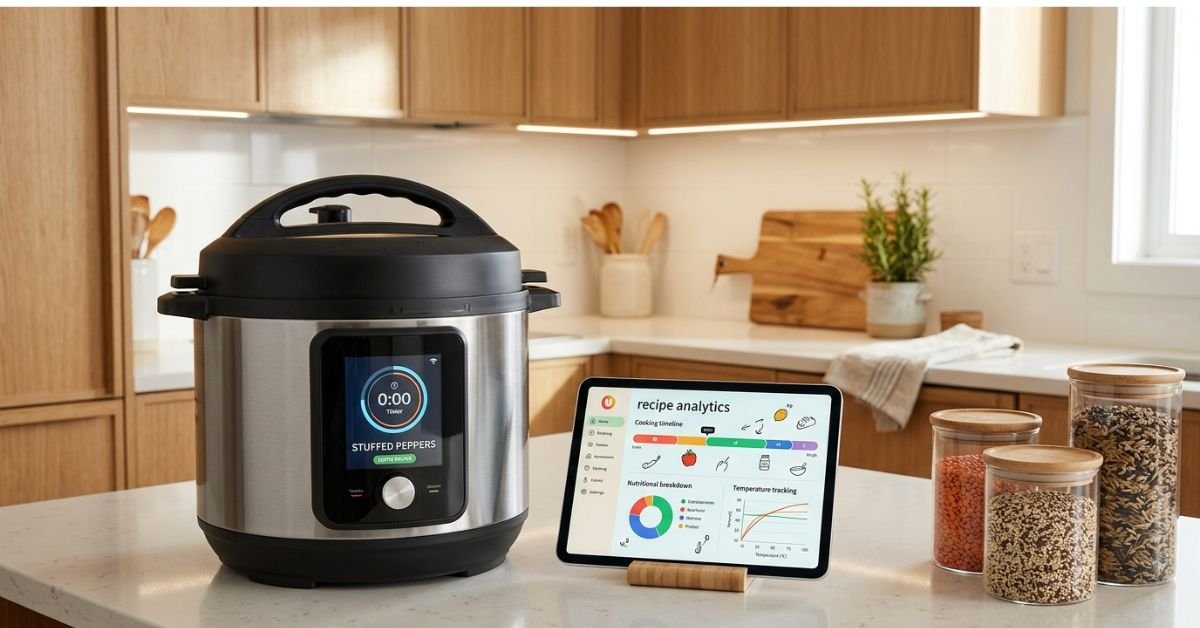
The Budget Tech Stack: Setup Before You Cook
You don’t lower your grocery bill by standing in the supermarket hoping for inspiration. You do it before you leave the house by deploying data-driven preparation.
+-------------------------------------------------------------+
|                     MY KITCHEN TECH STACK                   |
+-------------------------------------------------------------+
| Inventory Tracking      --> Grocy / KitchenPal              |
| Deal Scraping           --> Flipp & Supermarket APIs        |
| Cost Optimization       --> Custom AI Recipe Generators     |
| Low-Wattage Execution   --> Smart Pressure Cooker & Air Fryer|
+-------------------------------------------------------------+
1. Pantry Inventory Management Apps
Food waste is a quiet budget killer. When you toss half a bag of slimy spinach or buy a duplicate jar of cumin you already had hiding behind the paprika, your per-serving price skyrockets.


I run an open-source instance of Grocy on a local home server, but you don’t need a self-hosted homelab to do this. Free apps like KitchenPal or NoWaste let you scan barcodes as you unpack groceries. When an ingredient is three days away from expiring, my setup pings my phone. Dinner builds around what must be eaten tonight, not what sounds fun on social media.
💰 More Cheap Living Tips You'll Love
- Debt Snowball Worksheet: How to Fill It Out Correctly
- Debt Snowball on a Low Income: Does It Still Work in 2026-27?
- First Steps to Take When You Decide to Get Out of Debt
- Debt Avalanche Method Step by Step: Fast Debt Payoff
- Save Money or Pay Off Debt First? Tech-Driven Guide
- Pay Off Debt Faster Without Earning More: Tech Guide
2. Grocery Price Tracker Apps & Digital Coupon Aggregators
Stop flipping through paper circulars. Services like Flipp aggregate local store flyers into a searchable database.


I take it one step further with store-specific apps (like Aldi, Lidl, Kroger, or Tesco, depending on where you live). Digital coupon aggregators let you clip virtual vouchers directly to your loyalty profile. Even better, some platforms run seasonal produce algorithms that flag which fresh items hit their pricing floor this week.
3. Unit Price Calculation Automation
Never look at the large price tag on the shelf. Look at the tiny text underneath: the unit price (cents per ounce, pence per gram, or dollars per kilogram).
I keep a quick spreadsheet running on Google Sheets with simple formulas that calculate dry-to-cooked yield ratios. For example:
- A pound of dried black beans costs about $1.40 and yields roughly 6 to 7 cups of cooked beans.
- Four cans of black beans providing that same volume cost roughly $3.80.
- That’s a 63% savings just for letting water simmer inside an automated pot.
Smart Hardware That Cuts Utility and Food Costs
Your stove and traditional oven are thermal energy hogs. Preheating an electric oven takes 15 minutes and pulls roughly 2,500 to 3,000 watts an hour. If you run that four nights a week, your energy utility bill eats whatever savings you scraped together on cheaper ingredients.
- Smart Pressure Cookers (Instant Pot with Wi-Fi / app support): These seal in steam, raising boiling temperatures and cutting cook times down by 70%. A batch of dried beans or brown rice cooks without monitoring, pulling roughly 1,000 watts for just 25 minutes.
- Energy-Efficient Air Fryers: These work like tiny high-velocity convection ovens. Reheating and crisping takes 8 minutes instead of a 25-minute oven cycle.
- Bulk Grain Storage Systems: Keep bulk grains fresh. I use airtight, BPA-free containers fitted with reusable desiccant packs to protect dry lentils, split peas, and calrose rice purchased in 10kg/20lb sacks.
4 Complete Family Dinners Under $5
Here are four field-tested recipes. These are scaled for two adults and two kids (roughly 4 standard adult-sized servings). Prices reflect current normalized costs based on bulk sourcing and supermarket discount cycles.
DINNER COST BREAKDOWN MATRIX (Family of 4)
┌──────────────────────────────────────┬─────────────┬──────────────┐
│ Meal Name                            │ Total Cost  │ Cost/Person  │
├──────────────────────────────────────┼─────────────┼──────────────┤
│ 1. Turmeric Dahl & Brown Rice        │   $3.18     │    $0.80     │
│ 2. Crispy Air-Fryer Bean Taquitos    │   $4.12     │    $1.03     │
│ 3. Automated Veggie Pasta Primavera  │   $4.65     │    $1.16     │
│ 4. Savory Soy-Egg Congee             │   $2.85     │    $0.71     │
└──────────────────────────────────────┴─────────────┴──────────────┘
Meal 1: Instant Pot Turmeric Red Lentil Dahl & Garlic Rice
Total Cost: ~$3.18 | Prep time: 5 mins | Cook time: 15 mins
Red split lentils require zero soaking and cook down into a rich, creamy sauce in minutes under pressure.
Ingredients & Cost Sheet:
- 2 cups dry red split lentils (bulk bin): $0.96
- 1 onion, diced: $0.35
- 3 cloves garlic + 1-inch minced ginger: $0.25
- 1 tbsp curry powder + 1 tsp ground turmeric + cumin seeds: $0.22
- 1 can crushed tomatoes (store brand): $0.85
- 2 cups long-grain white or brown rice: $0.55
Execution:
- Hit Sauté on your smart pressure cooker. Toss in a splash of oil, your diced onion, garlic, ginger, and spices. Cook for 2 minutes until aromatic.
- Pour in rinsed red lentils, canned tomatoes, and 4 cups of water or vegetable bouillon broth.
- Lock the lid. Set to High Pressure for 10 minutes.
- While the pot does its thing, cook your rice on the stovetop.
- Release pressure naturally for 5 minutes, then quick release. Stir aggressively; the lentils break down into a luscious, velvet curry. Serve over hot rice.

Meal 2: Smart Air-Fryer Black Bean & Sweet Potato Taquitos
Total Cost: ~$4.12 | Prep time: 10 mins | Cook time: 12 mins
Kids love crunchy finger foods. This meal transforms humble root vegetables into something that disappears off plates in seconds.
Ingredients & Cost Sheet:
- 2 medium sweet potatoes, cubed small: $0.90
- 2 cups cooked black beans (cooked from dry): $0.46
- 1 tsp cumin, smoked paprika, salt: $0.16
- 16 corn tortillas (standard value pack): $1.20
- 1 cup shredded Monterey Jack or Colby cheese: $1.40
Execution:
- Steam the cubed sweet potatoes until tender (5 minutes in a microwave-safe bowl with a splash of water), then mash them with a fork alongside your black beans, cumin, and salt.
- Warm the corn tortillas between damp paper towels in the microwave for 30 seconds so they roll without cracking.
- Spoon 2 tablespoons of filling and a pinch of cheese into each tortilla, roll tightly, and arrange them seam-side down in the air fryer basket.
- Lightly spray with vegetable oil. Air-fry at 390°F (200°C) for 9 to 11 minutes until golden brown and crackling crisp.
Meal 3: The “Scrape-the-Fridge” Pasta Primavera
Total Cost: ~$4.65 | Prep time: 8 mins | Cook time: 12 mins
This is where your pantry inventory management apps shine. You feed whatever odds and ends you have into the pot.
Ingredients & Cost Sheet:
- 1 lb (450g) penne or rotini pasta: $0.98
- 1 bag frozen mixed peas, carrots, and corn: $1.15
- 2 tbsp butter or olive oil: $0.32
- 1/2 cup grated hard cheese (Parmesan/Grana Padano style): $1.10
- Seasonal produce markdown greens (spinach/kale): $0.80
- Cooking water + pasta seasoning: $0.30
Execution:
- Boil the pasta in salted water. Two minutes before the timer rings, dump the frozen vegetables and chopped greens right into the boiling pasta pot.
- Reserve 1 cup of starchy pasta water, then drain the rest.
- Return everything to the pot over low heat. Toss in the butter, hard cheese, and half of the reserved hot starchy water.
- Stir rapidly. The cheese and water emulsify into a silky sauce that clings to the pasta spirals without needing heavy cream.
Meal 4: Savory Soy-Egg Congee (Rice Porridge)
Total Cost: ~$2.85 | Prep time: 3 mins | Cook time: 30 mins
Congee is the ultimate comfort meal across East and Southeast Asia, and it is a masterclass in stretch-cooking. Half a cup of rice feeds four when transformed by broth and time.
Ingredients & Cost Sheet:
- 3/4 cup Jasmine or short-grain rice: $0.25
- 7 cups water + 2 bouillon cubes (or leftover bone broth): $0.40
- 4 large eggs: $1.10
- 2 scallions (green onions), sliced: $0.35
- 1 tbsp soy sauce + 1 tsp toasted sesame oil: $0.45
- Splash of chili crisp (optional): $0.30
Execution:
- Place rice, bouillon, and water into your smart pressure cooker. Run the Porridge setting for 30 minutes.
- While the congee cooks, soft-boil 4 eggs in boiling water for 6.5 minutes. Plunge into cold water, peel, and halve.
- Release the pot’s pressure. The rice will have blossomed into a silky, savory porridge.
- Ladle into wide bowls, top with a halved soft egg, scallions, a swirl of soy sauce, and a few drops of sesame oil.
Pro Tip: The “Thermal Stacking” Technique
When using a smart pressure cooker or air fryer for back-to-back components, never let the device cool down between batches. Run your grain cycle immediately followed by your protein or vegetable reheat. You eliminate the secondary warm-up cycle, shaving another 12-18% off the appliance’s electricity draw while keeping food warm via passive thermal retention.
Prompting AI Recipe Generators for Micro-Budgets
Most people open ChatGPT or Claude and type: “Give me cheap dinners.”
That gets you boring, repetitive recipes like buttered noodles or bland chicken breast that blows your budget immediately. You need strict operational constraints.
Copy and paste this exact prompt template into any LLM:
“Act as an expert budget chef and culinary food scientist. I need a family dinner recipe for 2 adults and 2 children with a hard total ingredient budget cap of $4.50. Base the meal around [Insert your on-hand staples, e.g., brown lentils and frozen corn]. Rules: Assume standard pantry spices don’t count toward the total if under $0.20 per serving. Prioritize complete amino acid profiles. The meal must cook in under 30 minutes using either an Instant Pot, air fryer, or single stovetop skillet. Provide exact cost estimates by weight.”
The resulting recipes are surprisingly creative. They often produce balanced curries, savory stews, and roasted grain bowls that you wouldn’t have thought to assemble yourself.
3 Costly Pitfalls to Avoid
Even with solid tech in hand, it’s easy to make mistakes that balloon your costs behind your back:
- The “Single-Store” Convenience Trap: Buying everything at one boutique supermarket can cost twice as much. Use grocery price tracker apps to split your run: dry staples and canned goods from discount retailers (like Aldi or warehouse clubs), and fresh items where they are on active loss-leader discount.
- Ignoring Dry vs. Wet Weight Ratios: Never compare the shelf price of a 15-ounce can of chickpeas directly to a 16-ounce bag of dry chickpeas. The dry bag triples in weight once soaked and cooked, making it three to four times cheaper per cooked ounce.
- The Pre-Cut Convenience Surcharge: Buying pre-chopped onions or pre-shredded cheese adds massive markups. You are paying for someone else’s labor. Run whole blocks of cheese across a hand grater and store them in reusable containers; it takes 90 seconds and cuts your dairy costs in half.
Frequently Asked Questions
Can you really get balanced nutrition for a whole family under $5?
Yes, provided you lean on plant-forward proteins and bulk staples. Red lentils, black beans, eggs, and whole grains provide plenty of bioavailable protein, complex carbohydrates, and dietary fiber. Pair these with seasonal or frozen vegetables, which retain high micronutrient values at a fraction of the cost of off-season fresh produce.
How do I keep my kids from complaining about budget meals?
Texture and presentation make all the difference. Kids often dislike mushy, under-seasoned food. Using an energy-efficient air fryer to add a crunchy crust to corn tortillas, tofu cubes, or chickpeas mimics the mouthfeel of restaurant finger foods. Adding interactive toppings (like bowls where they scatter their own scallions, sesame seeds, or cheese) turns budget meals into an engaging experience.
What is the most cost-effective kitchen appliance to buy first?
A multi-function smart pressure cooker delivers the highest return on investment. It replaces multiple appliances, slashes energy usage compared to an oven, and allows you to cook dried beans and tough root vegetables in minutes without pre-soaking, which unlocks the cheapest bulk ingredients in the grocery store.
Do I need to be a programmer to use pantry tracking software?
Not at all. While open-source tools like Grocy offer high customizability for tech enthusiasts, mainstream consumer apps like KitchenPal or Out of Milk feature user-friendly mobile interfaces. They use your phone’s camera as a barcode scanner, require no coding knowledge, and run smoothly on any modern iOS or Android device.
Cutting your dinner budget down to under $5 isn’t about deprivation or eating processed boxed meals that leave everyone sluggish. It’s about efficiency. When you bring simple inventory tracking, smart kitchen hardware, and unit price calculations into your weekly routine, keeping dinner well under five bucks stops feeling like a struggle—and starts feeling like a fun challenge you solve every single day.