
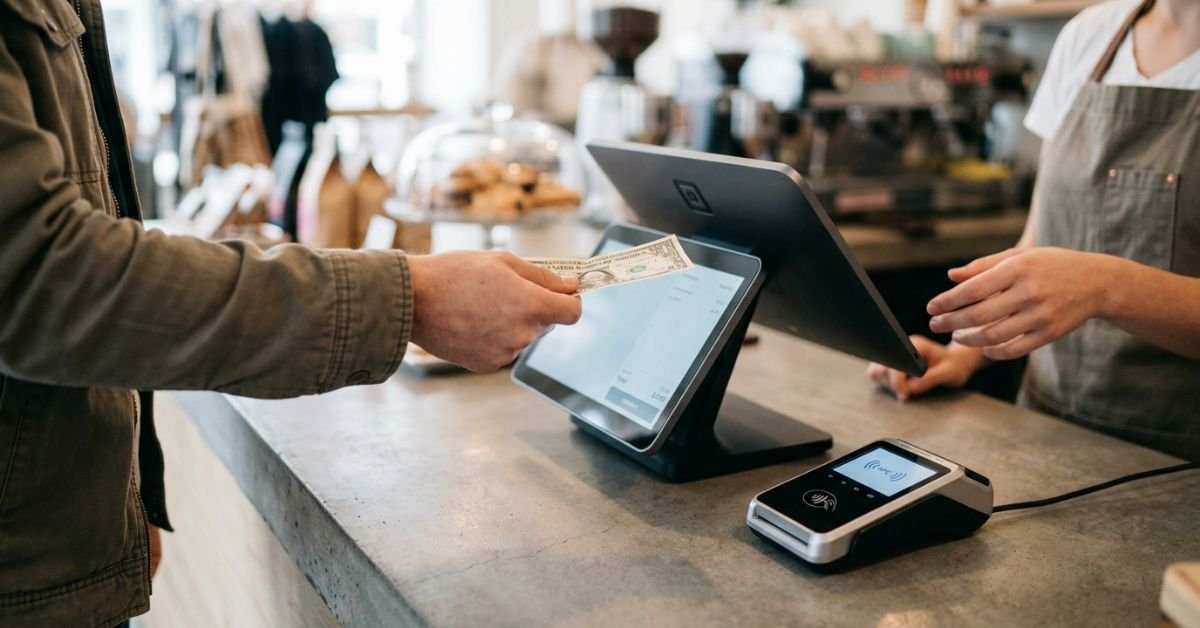
Living on Cash Only for 30 Days: What Actually Happened.I caught myself double-tapping the side button of my phone to buy a $2.50 espresso before my brain even processed the purchase. No PIN, no hesitation, barely a glance at the screen. Just an NFC chime, an animated green checkmark on the point of sale terminal, and I was walking out the door.
- 1. The Setup: Ground Rules and the Reality of “Cash Stuffing”
- 2. The Rules
- 3. Days 1–10: Slamming Face-First into the Cashless Society
- 4. Days 11–20: The Unexpected Benefits to Financial Privacy and Spending Behavior
- 5. Expert Insight: The Micro-Transaction Trap
- 6. Days 21–30: The Breaking Points and Group Dynamics
- 7. 1. Peer-to-Peer Splitting
- 8. 2. The Mobility Tax
- 9. 3. The Travel and E-Commerce Black Hole
- 10. The Results: By the Numbers
- 11. The Verdict: Will I Stay on Cash?
- 12. Frequently Asked Questions
- 13. Is it legal for businesses to refuse cash payments?
- 14. How does using cash protect your personal data?
- 15. Did merchants give discounts for paying with cash?
- 16. What should I do if an automated machine doesn’t accept cash?
Later that evening, checking my analytics dashboard, I noticed something wild: over the previous 90 days, I hadn’t touched a single piece of physical currency. Not one banknote. Not a single coin. My entire financial life was humming along invisibly on encrypted rails, mediated by Apple Pay, Google Wallet, and automated payment gateways.
That friction-free convenience felt amazing, but it also made me uneasy. How much awareness had I surrendered to tech convenience?
So, I decided to run an experiment: 30 days using only physical cash.


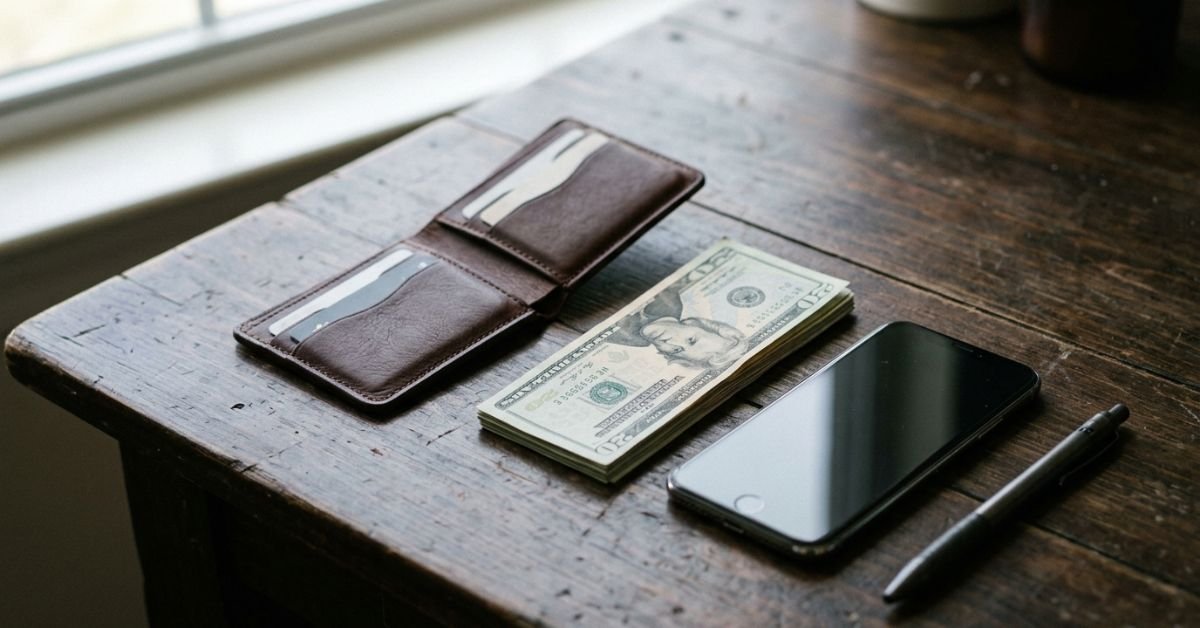
No contactless payments. No debit cards. No tapping my watch against transit turnstiles. I walked into my bank branch, withdrew $1,200 in crisp banknotes, and locked my plastic and digital cards in a desk drawer. Here is how it unfolded, the technical headaches I ran into, and what actually changed in my day-to-day life.
The Setup: Ground Rules and the Reality of “Cash Stuffing”
Before taking the leap, I had to establish realistic boundaries. We live in an economy where some digital touchpoints simply cannot be circumvented without getting your electricity shut off.


The Rules
- In-person purchases had to be 100% cash. Groceries, coffee, restaurants, pharmacy visits, bars, and public transport.
- Fixed digital overhead stayed automated. Rent, broadband, web hosting servers, and health insurance were paid directly via automated clearing house (ACH) bank transfers. Turning off utility auto-pay wasn’t the goal; changing my active spending behavior was.
- Zero peer-to-peer payments. No sending a quick split via Venmo, Revolut, or Cash App when dining out with friends. If I couldn’t settle in cash, I had to figure out another way.
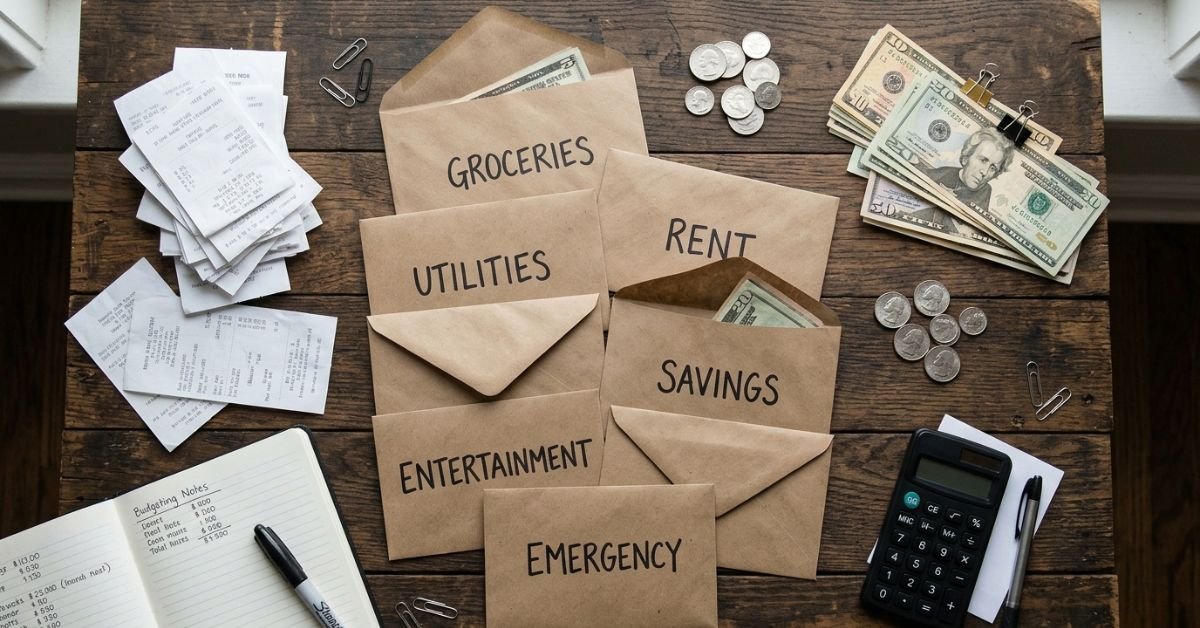
To keep things organized, I took inspiration from the viral budgeting trend known as cash stuffing. I divided my cash into physical envelopes labeled:
💰 More Cheap Living Tips You'll Love
- Lower Your Electric Bill as a Renter: 12 Cheap Tech Ways
- How Long to Pay Off Debt? Tech Tools to Find Out Fast
- Debt Snowball on a Low Income: Does It Still Work in 2026-27?
- Debt Snowball Worksheet: How to Fill It Out Correctly
- First Steps to Take When You Decide to Get Out of Debt
- Save Money or Pay Off Debt First? Tech-Driven Guide
- Groceries & Household Supplies ($450)
- Dining Out & Coffee ($300)
- Transit & Fuel ($200)
- Incidental / Buffer ($250)
Holding your monthly discretionary budget in your hands feels surprisingly heavy. When your spending isn’t an abstract ledger entry disappearing into a mobile banking app, the visual feedback is immediate and visceral.


Days 1–10: Slamming Face-First into the Cashless Society
The first week was an exercise in social awkwardness and logistical friction.
Our commercial infrastructure is aggressively optimized for contactless payments. At my neighborhood coffee shop, the counter had an iPad mounted on a sleek swivel stand with an integrated tap-to-pay reader. When I pulled out a twenty-dollar bill, the barista paused, blinked, and had to search beneath the counter for a metal lockbox. They didn’t have enough small bills to make change for my morning order.
I ended up waiting three minutes while a supervisor unlocked a back-office safe just so I could get $16 back.
Friction Comparison: Daily Transaction Workflow

Digital Flow:
[Item Scanned] -> [NFC Tap] -> [Tokenized Auth] -> [Complete]
Elapsed time: ~3 seconds

Cash Flow:
[Item Scanned] -> [Count Cash] -> [Hand to Cashier] -> [Drawer Opens] -> [Change Counted] -> [Pocket Coins]
Elapsed time: ~45 seconds + pocket clutter
By Day 5, I ran into my first hard barrier: an automated parking garage near an office meeting. The terminal had a glowing NFC reader, a chip slot, and a giant red sticker stating: CARD ONLY – NO CASH ACCEPTED.
There was no human attendant. No slot to slip a five-dollar note into. I spent twenty minutes circling the block to find street parking with a mechanical coin meter, feeding it a handful of quarters like it was 1998.
The push toward a cashless society isn’t just about consumer convenience; it’s about business economics. Retailers pay payment gateways and merchant acquirers interchange fees (typically 1.5% to 3.5% per swipe), but running a cash-free shop eliminates armored car pickups, register reconciliations, and the risk of till shortages. For many modern businesses, refusing cash is simply cheaper than handling it.
Days 11–20: The Unexpected Benefits to Financial Privacy and Spending Behavior
Once the initial logistical shock faded, an unexpected cognitive shift took place.
Every time you tap an iPhone or Android device, telemetry follows you. Your card issuer logs the timestamp, the merchant category code, the exact terminal location, and the dollar amount. That transactional footprint feeds algorithmic ad networks, credit scoring models, and internal banking analytics.
Paying with cash brought genuine financial privacy. Buying medicine at the pharmacy, picking up a book at an independent store, or grabbing lunch didn’t generate a crumb of data. There was no push notification screaming at me two seconds later. My inbox stopped getting automated receipts asking me to rate my experience.
It was quiet.
More importantly, the spending friction worked as a psychological deterrent.
Behavioral economists talk about the pain of paying. Swiping plastic or tapping an Apple Watch completely decouples the joy of consumption from the pain of parting with resources. Digital payments feel like monopoly money because the physical reality of the asset doesn’t change—you keep the card, you keep the phone.
With cash, every transaction requires surrender. When you peel three crisp twenties out of an envelope to pay for dinner, you visibly watch your resources shrink.
By the midpoint of the month, my spontaneous spending had plummeted. I walked past the specialty grocery store without buying overpriced snacks because I didn’t want to break another fifty-dollar bill and carry pockets full of loose copper and nickel.
Expert Insight: The Micro-Transaction Trap
Digital wallets make purchases under $10 psychologically invisible. You tap for an energy drink, an extra cloud storage tier, or a quick pastry without evaluating utility. Physical cash forces tactile latency: the physical act of counting money introduces a 5-second mental buffer that prevents impulse micro-transactions far better than any budgeting app alert.
Days 21–30: The Breaking Points and Group Dynamics
The final stretch revealed where physical currency simply fails to function in modern life.
1. Peer-to-Peer Splitting
Going out with friends became a headache. When a restaurant bill arrived, everyone routinely said, “Just put it on your card and Venmo me.”
Tossing down a crumpled fifty-dollar bill while everyone else calculated fractions on their phones caused friction. People rarely carry cash to make change for each other anymore. I found myself either overpaying to cover my share or asking a friend to act as my “bank” while I handed them paper they didn’t really want.
2. The Mobility Tax
Public transit has quietly shed cash infrastructure. In London, New York, and many Asian transit hubs, you simply tap your phone at the gate. Trying to buy single-ride physical tickets meant standing in lines at clunky, semi-broken ticket vending machines, missing trains while wrestling with bent bills that the machine kept spitting back out.
3. The Travel and E-Commerce Black Hole
On Day 26, my laptop charger died. Normally, I would order a replacement via next-day delivery. Instead, I had to walk three miles across town to an electronics shop, pray they had the specific USB-C wattage in stock, and pay an extra 25% retail markup because I couldn’t access competitive online marketplaces.
The Results: By the Numbers
When the 30 days ended, I sat down at my desk with my receipts and remaining cash to audit the experiment.
| Metric | Previous Digital Month | Cash-Only Month | Difference | | :— | :— | :— | :— | | Dining Out / Takeout | $482.50 | $265.00 | -45.1% | | Grocery Expenses | $512.00 | $418.00 | -18.3% | | Impulse Retail Purchases | $145.00 | $22.00 | -84.8% | | Time Spent at Checkouts | ~1.5 mins/day | ~6.5 mins/day | +333% | | Total Unspent Cash Buffer | $0.00 | $185.00 | Saved |
I spent roughly 28% less money overall compared to my typical digital-first months. That wasn’t because I starved myself or skipped social events; it was purely because the tactile friction killed casual, unconscious consumption.
Yet, the trade-off in time, logistics, and social awkwardness was substantial.
The Verdict: Will I Stay on Cash?
Going completely off-grid financially is nearly impossible today, and frankly, it isn’t practical.
I’ve put my credit cards back into my phone’s wallet. I still tap my watch when boarding the subway, and I still use payment gateways for work subscriptions and online purchases.
However, the experiment completely cured my blindness to micro-spending. Moving forward, I run a hybrid system:
- Fixed overhead & long-distance travel: 100% digital for points, protections, and speed.
- Discretionary daily spending (bars, dining, coffee): Withdrawn in hard cash every Monday.
When the weekly envelope is empty, my social spending stops. You don’t need to live like a luddite to take control of your financial life, but spending a month handling dirty paper money will teach you more about your tech habits than any personal finance app ever could.
Frequently Asked Questions
Is it legal for businesses to refuse cash payments?
In many jurisdictions, private businesses are legally permitted to set their own accepted payment methods unless local municipal or state laws explicitly state otherwise. While currency is “legal tender for all debts,” that legal status typically applies to preexisting debts (like a restaurant bill after you’ve eaten) rather than upfront retail transactions where no debt yet exists. Always check local laws, as cities like New York, San Francisco, and Philadelphia have passed specific ordinances requiring brick-and-mortar retailers to accept cash.
How does using cash protect your personal data?
When you pay with cash, the transaction does not pass through payment gateways, acquiring banks, or card network processors. There is no cryptographic token tied to your identity, meaning your purchase history cannot be harvested, compiled into consumer profiles, sold to data brokers, or targeted back to you via programmatic ad platforms.
Did merchants give discounts for paying with cash?
Yes, particularly independent fuel stations, automotive repair shops, and smaller family-owned restaurants. Because merchants pay 2% to 4% in processing and interchange fees for card transactions, several businesses offered a 3% to 5% cash discount directly at the register when asked.
What should I do if an automated machine doesn’t accept cash?
During this challenge, the best workarounds were locating human customer service desks, using municipal kiosks that convert cash into temporary prepaid transit cards, or relying on reverse-ATMs (often found in newer stadiums and malls) that deposit paper bills onto fee-free disposable debit cards.










