The 30-Day No Spend Challenge That Helped One Couple Save $5,000.It was a chilly Tuesday night in mid-January when my partner, Sarah, and I sat down at our kitchen table with two laptops, two mugs of black coffee, and a mounting sense of dread.
- 1. The Breaking Point and The $5,000 Goal Target Breakdown
- 2. Setting the Rules: What Was Allowed vs. What Was Frozen
- 3. The Green List (Permitted Survival Expenses)
- 4. The Red List (Frozen Discretionary Spending)
- 5. The Gray Area Protocol
- 6. Hands-On Tactics: Daily Routines That Drove Massive Savings
- 7. The Two-Week Pantry Challenge
- 8. Friction Strategies: Disarming the Impulse Engine
- 9. Zero-Cost Recreation for Couples
- 10. Expert Insight: The 72-Hour “Wishlist Quiver”
- 11. Common Pitfalls and How to Overcome Them
- 12. The Mid-Month Fatigue (Days 14–18)
- 13. Navigating Awkward Social Pressure
- 14. The Day 31 Splurge Trap
- 15. Long-Term Impact: How to Allocate the $5,000 and Maintain Momentum
- 16. Transitioning to a Sustainable Lifestyle
- 17. Frequently Asked Questions
- 18. How does a no spend challenge work?
- 19. What should you do if an unexpected emergency happens during the challenge?
- 20. Can you buy gifts or attend family events during a no spend month?
- 21. How do you track expenses during a no spend challenge?
The holiday dust had settled, but our Chase and American Express statements were glowing back at us with cold, unforgiving brightness. Between holiday travel, spontaneous weekend getaways, endless Target runs, and the creeping habit of hitting “Place Order” on DoorDash three nights a week, we had let our lifestyle creep run completely off the rails.
We weren’t broke in the traditional sense. We both earn decent incomes in tech and marketing, faithfully funnel money into our company 401(k) plans, and pay our bills on time. But our cash flow was leaking like a sieve. Every dollar of discretionary spending was dissolving into convenience culture. We had zero extra liquidity to show for our hard work, and our goal of maxing out our Roth IRAs and padding our emergency fund was slipping further away.
Right there, across a table littered with receipts, we made a radical pact: a 30-day spending freeze. Our target? Freeing up an aggressive $5,000 in clean, unallocated cash by the time the month wrapped up.

The Breaking Point and The $5,000 Goal Target Breakdown
When people hear about a spending freeze, their first reaction is skepticism: can you really save 5000 in a month?
If you are living paycheck to paycheck on a single entry-level income, saving $5,000 in thirty days is mathematically impossible without selling your car or taking on extra side hustles. But for dual-income households trapped in the hamster wheel of lifestyle inflation—where extra money quietly evaporates into $18 takeout lunches, subscription boxes, and impulse Amazon orders—the cash is actually already there. It is just being hemorrhaged.
To hit that $5,000 milestone, we treated our personal finance overhaul like a zero-based budget audit. We pulled our bank feeds into a spreadsheet, grouped every single transaction from the prior 90 days, and separated true survival necessities from conveniences disguised as needs.
Here is the exact cold-turkey math that got us to our $5,000 target:
- Dining Out & App Deliveries: $1,350 eliminated (DoorDash delivery fees, tips, weekend sushi runs, work lunches, and coffees).
- Grocery Bill Compression: $850 saved (shifting from our routine $1,200 organic grocery haul down to a lean $350 pantry-first model).
- Impulse Retail & Home Goods: $1,100 eliminated (skipping Amazon electronics upgrades, home decor, and random clothes shopping).
- Weekend Entertainment & Alcohol: $600 saved (craft cocktails, brewery visits, movie tickets, and Uber rides).
- Deferred Purchases: $900 saved (pausing a planned desk upgrade and holding off on seasonal auto detailing).
- Subscription Auditing: $200 recouped (killing unused gym add-ons, streaming trials, and niche software tools).
- Total Monthly Cash Recaptured: $5,000
The psychological shift was immediate. We stopped viewing money as a casual background resource and started treating it as stored energy that we were carelessly burning.
💰 More Cheap Living Tips You'll Love
Setting the Rules: What Was Allowed vs. What Was Frozen
A spending freeze only falls apart when you leave room for self-deception. If you don’t define your spending freeze rules and exceptions on day one, you will inevitably justify buying a $7 latte on day four because you “had a stressful meeting.”
We printed our rules, laminated the sheet with clear packing tape, and taped it to our refrigerator. If you’re building your own system, you can easily adapt these guidelines into your own no spend month rules printable pdf format at home.
The Green List (Permitted Survival Expenses)
- Fixed Housing Costs: Our mortgage payment, property taxes, and home insurance.
- Essential Utilities: Electric, gas, water, trash, and home internet (crucial since we both work remotely).
- Baseline Groceries: Strictly whole ingredients, fresh produce, and milk. Capped at $75 per week.
- Healthcare: Prescription medication refills and required specialist co-pays.
- Basic Transit: Fuel for one shared vehicle and routine city metro passes.
The Red List (Frozen Discretionary Spending)
- Food Away From Home: No drive-thrus, no fast-casual burrito spots, no work lunches, and zero coffee shops.
- Convenience Delivery: Instacart, DoorDash, and UberEats were banned entirely.
- E-Commerce Shopping: Zero purchases on Amazon, Target, eBay, or boutique retail sites.
- Entertainment Spending: No paid events, theater tickets, streaming rentals, or concert passes.
- Personal Care Splurges: Professional haircuts, manicures, and skincare upgrades were shelved for the month.
The Gray Area Protocol
Life doesn’t stop just because you decide to embark on an extreme budget challenge. On Day 11, Sarah’s car tire caught a nail on the highway. Was a tire patch a challenge failure? Of course not.
We established the “Gray Area Protocol”: any unexpected cost had to be directly tied to physical safety, legal compliance, or active income generation. The $35 tire patch was covered. A spontaneous pair of running shoes because our old ones looked scuffed was rejected without debate.
Hands-On Tactics: Daily Routines That Drove Massive Savings
Knowing the rules is simple; surviving thirty continuous days of self-denial in an ultra-consumerist culture is an entirely different game. We had to fundamentally reconstruct how our household functioned day-to-day.
The Two-Week Pantry Challenge
The average American household wastefully hoards hundreds of dollars worth of shelf-stable food in their cupboards and chest freezers. Before spending a single dime at the supermarket, we took a complete inventory of everything in our kitchen.
We discovered bags of black beans, jasmine rice, half-empty bags of frozen shrimp, three containers of rolled oats, and frozen vegetables buried under ice packs. For the first 14 days, we instituted a pure pantry challenge. Our no spend challenge groceries meal plan turned simple:
- Breakfast: Steel-cut oatmeal cooked with water, cinnamon, and a spoonful of peanut butter.
- Lunch: Meal-prepped bowls of brown rice, black beans, canned corn, and whatever freezer protein we defrosted.
- Dinner: Scratch-made lentil soups, sheet-pan vegetable stir-fries, and pasta with canned crushed tomatoes and garlic.
By relying on staples we had already paid for weeks earlier, our grocery spending for the entire first half of the month was exactly $0.

Friction Strategies: Disarming the Impulse Engine
Willpower is an unreliable muscle. When you are tired after an 8-hour workday, willpower fails. Friction, however, is permanent.
To protect ourselves from our own weakest moments, we spent Day 1 dismantling our spending pipelines:
- Unlinked Credit Cards: We removed all saved payment methods from our Google Chrome profiles, Amazon accounts, and PayPal.
- Disabled Apple Pay: We toggled off mobile wallet access on our iPhones so we couldn’t instinctively tap our phones at cash registers.
- App Deletions: We permanently deleted DoorDash, UberEats, and the Amazon shopping app. Reinstalling an app and typing in a 16-digit card number gives your logical brain just enough time to intervene.
Zero-Cost Recreation for Couples
Frugality often dies on Friday nights. Sitting at home staring at the walls breeds resentment, which inevitably leads to ordering a pizza and opening a bottle of wine.
We had to discover engaging no spend month date ideas for couples that kept us engaged without touching our checking account:
- The County Public Library Date: We spent Sunday afternoons browsing the physical stacks at our local library, picking out books, graphic novels, and checking out free board games.
- State Park Trail Days: We packed sandwiches from home in reusable foil, filled our water bottles, and hit nearby state park trails for four-hour weekend hikes.
- In-Home “Chopped” Competitions: Using odd ingredient combinations left in the fridge, we took turns cooking creative dishes for each other on Saturday evenings.
Expert Insight: The 72-Hour “Wishlist Quiver”
When an intense urge strikes to buy something non-essential, do not say “I can’t have this.” That phrasing triggers artificial scarcity and rebellion. Instead, write down the item, the exact price, and the date on a designated index card. Tell yourself: “If I still desperately want this item when the 30-day challenge ends, I am allowed to purchase it.” In our experience, over 90% of the items on that card lost all emotional appeal within three days.
Common Pitfalls and How to Overcome Them
Even with the best systems, this challenge will test your patience and your relationship. Here are the realistic walls we hit during our no spend challenge results and review.
The Mid-Month Fatigue (Days 14–18)
The initial novelty wears off around Day 14. The food starts tasting repetitive. You are tired of washing dishes after every single meal. You just want someone to bring you a hot container of Thai takeout while you watch TV.
During this window, Sarah and I snapped at each other over trivial chores. The solution was acknowledging that the friction wasn’t personal—it was dopamine withdrawal. We broke the routine without breaking our wallet: we made stovetop popcorn from scratch, poured tap water with fresh lemon slices, and had a dedicated movie marathon using free movies streamed through the library’s Kanopy app.
Navigating Awkward Social Pressure
Socializing in America is deeply intertwined with commercial spending. When friends texted: “Drinks at the brewery at 7?”, telling them “I can’t go, I have no money” sounded alarming, while saying “I’m doing a spending freeze” often invited unsolicited advice or pressure (“Come on, it’s just one beer!”).
We developed a clean, direct script:
“Hey! We’re doing a strict 30-day financial reset challenge this month to hit a major savings goal. We’d love to see you though—do you want to grab coffee at our place, or come over for a board game night on Saturday?”
Genuine friends adapted instantly. In fact, two of our friends admitted they were feeling stressed about their own finances and were thrilled to skip a $90 bar tab in favor of hanging out on our porch.
The Day 31 Splurge Trap
The biggest hidden danger of an extreme spending freeze is the rubber-band effect. It mirrors extreme crash dieting: if you starve yourself for 30 days only to binge at the mall on Day 31, the entire exercise was pointless.
We combated this by planning our transition beforehand. We picked one modest, pre-budgeted reward: on the first weekend of the following month, we went to our favorite local taqueria, ordered two plates of street tacos, split guacamole, and tipped generously. Total spend: $42. It felt luxurious, intentional, and entirely under control.
Long-Term Impact: How to Allocate the $5,000 and Maintain Momentum
On the morning of Day 31, we sat back down at that same kitchen table. We ran our final spreadsheet formulas. Between suppressed discretionary expenses, avoided social tabs, our pantry audit, and deferrals, our checking account balance sat precisely $5,084.22 higher than our baseline.
We did not let that cash sit idle in a standard, low-interest checking account where it could quietly bleed back into our daily habits. We immediately put that money to work:
[ $5,000 Total Saved Cash ]
          │
          ├──► $2,500 ──► High-Yield Savings Account (Emergency Fund Buffer)
          │
          ├──► $1,500 ──► Roth IRA (Index Fund Allocation)
          │
          └──► $1,000 ──► Principal Payment on Auto Loan (Consumer Debt Reduction)
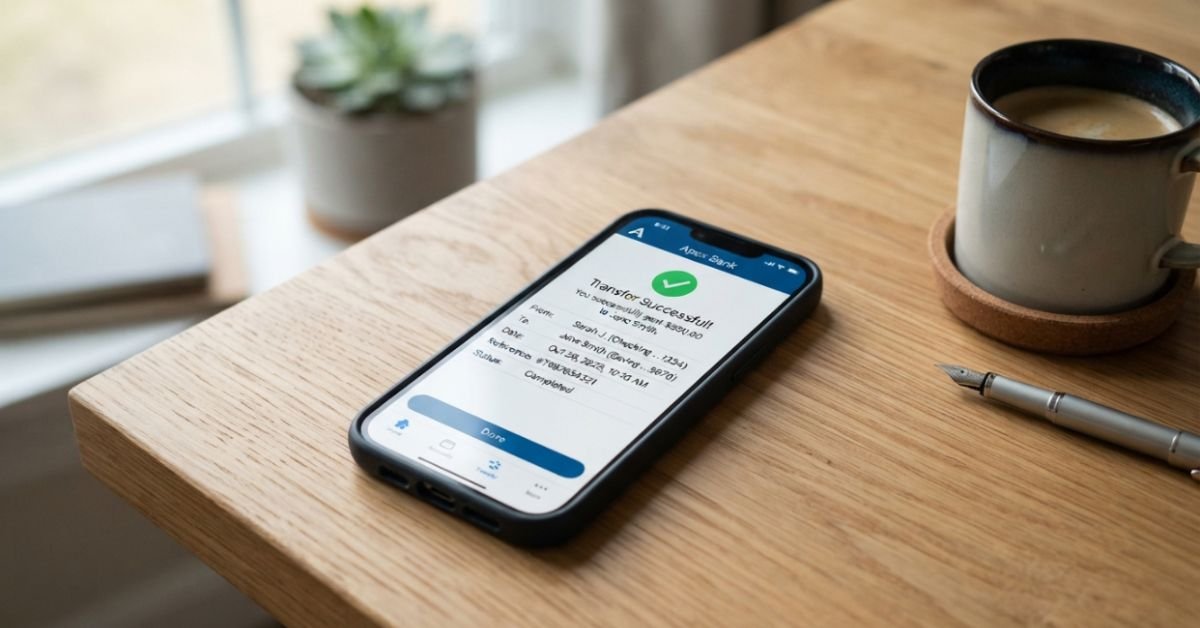
By moving $2,500 directly into an emergency fund housed in a high-yield savings account earning over 4% APY, we bought ourselves peace of mind. Another $1,500 went straight into Sarah’s Roth IRA to buy broad-market index funds, fueling long-term financial freedom. The final $1,000 made a clean dent in our remaining auto financing, permanently lowering the interest we’d pay that year.
Transitioning to a Sustainable Lifestyle
A cold-turkey freeze is an incredible tool for breaking toxic consumer patterns, but it is not a perpetual way of living. You cannot freeze spending forever without burning out.
Following our challenge, we transitioned into a clean 50/30/20 budget framework:
- 50% toward essential needs (housing, groceries, utilities, insurance).
- 30% toward intentional lifestyle wants (dining out with friends, hobby projects, travel).
- 20% directly toward our savings targets and long-term investments.
The 30-day freeze cured our blind lifestyle creep. It recalibrated our baseline for what truly brings us joy versus what was simply brainless, frictionless spending. We still enjoy takeout and weekend trips, but convenience is no longer our default setting. We buy things because we deliberately choose to, not because an algorithm recommended it.
Frequently Asked Questions
How does a no spend challenge work?
A no-spend challenge is a predetermined period—typically ranging from a single weekend to 30 full days—where you freeze all non-essential discretionary spending. You continue paying mandatory survival obligations like your mortgage, utility bills, health insurance, and basic groceries, but eliminate all impulse retail, dining out, paid entertainment, and convenience purchases. The goal is to rapidly build an emergency fund, break bad consumer habits, and reset your baseline relationship with money.
What should you do if an unexpected emergency happens during the challenge?
You handle it immediately without guilt. The challenge is meant to optimize your lifestyle, not compromise your health, safety, or employment. If your furnace fails or your car needs a safety-critical repair, pay for it using your existing liquid reserves or emergency fund. The cardinal rule is simply keeping the boundary secure: don’t use a legitimate emergency as an excuse to abandon your spending rules on unrelated items like takeout or retail shopping.
Can you buy gifts or attend family events during a no spend month?
If you have a known obligation—like a wedding or an immediate family member’s milestone birthday—plan for it before your challenge starts. You can either carve out a single, modest line-item exception before day one, or opt for thoughtful, zero-cost alternatives like offering free babysitting, cooking a nice dinner using pantry items, or gifting handwritten memories. Transparency helps: let your family know about your savings goal ahead of time so expectations are aligned.
How do you track expenses during a no spend challenge?
Keep tracking as simple and visible as possible. You can use a spreadsheet, a dedicated budgeting app like YNAB (You Need A Budget), or a simple printable calendar pinned to your fridge. Every evening, review your checking and credit card accounts. If you spent $0 outside of essentials, mark that day with a large green checkmark. If an unauthorized purchase slipped through, record the exact dollar amount and write down the trigger that caused it so you can avoid it next time.