The Ultimate Guide to Slashing Utility Bills During Peak Summer Months.I still remember the sinking feeling in my stomach three summers ago. I opened my July electric bill from my local power company, expecting the usual seasonal uptick, only to stare at a staggering $412 charge. Nothing in my daily routine had dramatically changed, yet my bill had doubled overnight.
- 1. Calibrating the Core: High-Impact HVAC Optimizations that Actually Work
- 2. The Realistic Thermostat Strategy
- 3. Coil Cleaning and Filter Maintenance
- 4. Ceiling Fan Counter-Clockwise Rotation
- 5. Beating the Grid: Mastering Peak Hours and Time-of-Use (TOU) Billing
- 6. What Hours Are Electricity Rates the Highest in Summer?
- 7. The “Super-Cooling” Method
- 8. Passive Thermal Defense: Stopping Radiant Heat Before It Enters
- 9. Stealth Drains: Slashing Vampire Power and Kitchen Appliance Heat Loads
- 10. Conquering Vampire Power Draw
- 11. Cut Kitchen Heat Production
- 12. The Garage Refrigerator Trap
- 13. Lowering Power Bill Apartment Summer Tips
- 14. Common Pitfalls: Costly Summer Energy “Hacks” That Backfire
- 15. Myth 1: “Cranking the thermostat down to 60°F cools the home faster.”
- 16. Myth 2: “Does keeping ceiling fans on all day save money?”
- 17. Myth 3: “Closing AC vents in unused rooms reduces consumption.”
- 18. Myth 4: “Running a dehumidifier on maximum settings lowers cooling bills.”
- 19. Actionable 7-Day Summer Energy Reduction Checklist and Rebate Guide
- 20. Tapping the Inflation Reduction Act (IRA) and Utility Programs
- 21. Frequently Asked Questions
- 22. Will running my AC fan set to “ON” instead of “AUTO” lower my bill?
- 23. How much money do smart thermostats actually save in the summer?
- 24. Is it cheaper to leave the AC running at one set temperature all day?
- 25. Why does my AC run all afternoon but the temperature inside keeps rising?
- 26. Does a higher SEER2 rating really make a difference on monthly bills?
If you are staring at your utility portal wondering, why is my summer electric bill so high all of a sudden, you are not imagining things. When summer heat domes settle over the country, utility bills jump due to a brutal combination of volume and pricing mechanics. Your cooling system runs longer cycles, while utility companies trigger higher base tiers and fuel adjustment riders. In regions like the desert Southwest (where outdoor temperatures top 115°F) or the humid Southeast, an air conditioner is not just maintaining comfort—it is fighting an uphill battle against radiant thermal mass and humidity loads.
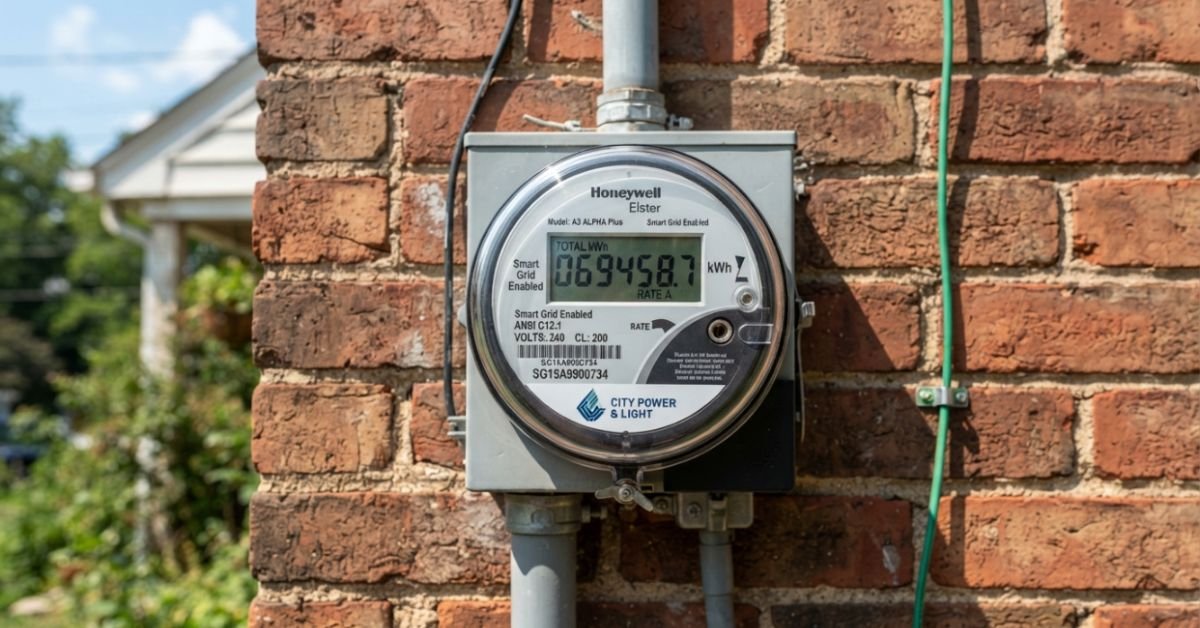
On a typical $350 midsummer power bill in the United States, your HVAC unit accounts for roughly 50% to 65% of the total expense. The remaining slice goes toward water heating (about 12%), major appliances (around 14%), and baseline “vampire” loads that quietly chew through electricity 24 hours a day. Slashing that total takes more than turning off a hallway light; it requires a calculated strategy that tackles your home’s thermal dynamics, mechanical efficiency, and the utility company’s rate structure.


Calibrating the Core: High-Impact HVAC Optimizations that Actually Work
Your central cooling system is the undisputed heavyweight champion of summer energy consumption. A standard 3.5-ton split unit pulls between 3,500 and 4,200 watts every hour it runs. Compare that to a standard box fan pulling 55 watts, and you quickly see why how to lower electric bill in summer with air conditioning dominates search engines between June and September.
The Realistic Thermostat Strategy
The Department of Energy (DOE) routinely suggests setting your thermostat to 78°F when you are home and higher when away. If you live in Dallas or Atlanta, setting your indoor air to 78°F during a humid August afternoon can feel suffocating.
So, what is the best temperature to set air conditioner in summer to save money without turning your living room into a sauna?


Through extensive logging with my own smart thermostat, I have found that anchoring your system between 74°F and 76°F during occupied hours—combined with strategic air movement—yields the sweet spot for comfort and cost control. Every degree you raise your thermostat between 72°F and 78°F saves an estimated 3% to 5% on your daily cooling expense. If you leave the house for work, bump the target up to 82°F. Never switch the system off entirely during triple-digit heat waves; recovering from an 88°F indoor heat soak forces your unit to run continuously for six hours, pulling down structural heat trapped in your drywall and furniture while consuming far more kilowatt-hours (kWh).
💰 More Cheap Living Tips You'll Love
- Hidden Medical Bill Errors You Must Dispute Immediately to Save Big
- How a Mid-Year Financial Reset Can Completely Transform Your Savings (Step-by-Step Guide)
- Smart Bank Account Structuring Strategies to Automate Wealth Building
- Costly Car Ownership Mistakes That Secretly Drain Your Budget Every Month
- Dangerous Lifestyle Creep Signs That Are Quietly Keeping You Broke
- Practical Ways to Eat Healthy on a Bare-Bones $50 Weekly Budget
Thermostat Setting  | Est. Daily AC Run Time | Relative Cost Index
70°F (Chilly)       | 14.5 Hours             | 140% (Baseline +40%)
74°F (Balanced)     | 9.8 Hours              | 100% (Baseline)
78°F (DOE Target)   | 6.5 Hours              | 78%  (Baseline -22%)
Coil Cleaning and Filter Maintenance
A clogged air filter restricts airflow across the evaporator coil, causing system pressure imbalances and driving up amp draw. During peak summer, swap out your 1-inch pleated filters every 30 days. Stick to MERV 8 to MERV 11 ratings; ultra-dense MERV 13 filters sound great for allergies, but in older air handlers, they create excessive static pressure that throttles cooling capacity.


Head outside to inspect your condenser unit. If the aluminum fins are choked with lawn clippings, dirt, and cottonwood fluff, your system cannot reject heat outside. Shut off the outdoor disconnect switch, grab a can of foaming coil cleaner from your local hardware store, spray the exterior fins, and gently rinse them with a standard garden hose nozzle from the inside out. Never use a pressure washer—it will flatten the delicate aluminum fins and choke your airflow permanently.
Ceiling Fan Counter-Clockwise Rotation
Make sure your blades are set to a ceiling fan counter-clockwise rotation during summer months. Looking up at the fan, the blades should turn counter-clockwise to push air straight down, creating an artificial wind-chill effect.
This breeze evaporates moisture from your skin and makes a 76°F room feel like 72°F. Keep in mind: fans cool people, not rooms. If you step out of the room, flip the switch off.
Beating the Grid: Mastering Peak Hours and Time-of-Use (TOU) Billing
If your utility company moved you to Time-of-Use (TOU) rates, running your appliances at the wrong time of day can double or triple your costs.
What Hours Are Electricity Rates the Highest in Summer?
In most US utility territories (such as Southern California Edison, Arizona Public Service, or various Midwest and Mid-Atlantic providers), the highest on-peak hours hit squarely on weekdays between 3:00 PM and 8:00 PM (or 4:00 PM to 9:00 PM).
During these high-demand hours, grid operators fire up expensive, inefficient “peaker plants.” To discourage use, power companies charge on-peak rates that often run between 35¢ and 52¢ per kWh, compared to off-peak baselines of 12¢ to 16¢ per kWh.
+-------------------------------------------------------+
|  TYPICAL SUMMER TOU RATE STRUCTURE (WEEKDAYS)         |
|                                                       |
|  [Off-Peak: 12¢/kWh]  12:00 AM - 3:00 PM              |
|  [ON-PEAK: 44¢/kWh]    3:00 PM - 8:00 PM  <-- AVOID!  |
|  [Off-Peak: 12¢/kWh]   8:00 PM - Midnight             |
+-------------------------------------------------------+
The “Super-Cooling” Method
To beat TOU tariffs, use your smart programmable thermostat to super-cool your house during cheap off-peak hours:
- Pre-Cooling Phase (11:00 AM – 2:30 PM): Drop your thermostat to 70°F or 71°F while your electricity rate is low. This chills the air, the framing, the concrete slab, and the furniture.
- Coasting Phase (3:00 PM – 8:00 PM): As soon as peak rates hit at 3:00 PM, raise the thermostat to 78°F or 80°F. Because the thermal mass of your home was chilled, your HVAC unit may only kick on once or twice during the entire five-hour peak window.
- Appliance Lockout: Shift heavy loads past 8:00 PM. Run the dishwasher, dry loads of laundry, and charge your electric vehicle overnight. Running an electric clothes dryer (which pulls 3,000 to 5,000 watts) at 4:30 PM is throwing money down the drain.
Passive Thermal Defense: Stopping Radiant Heat Before It Enters
Learning how to keep house cool in extreme heat without running AC all day comes down to physics: stop solar heat gain before it penetrates your building envelope.
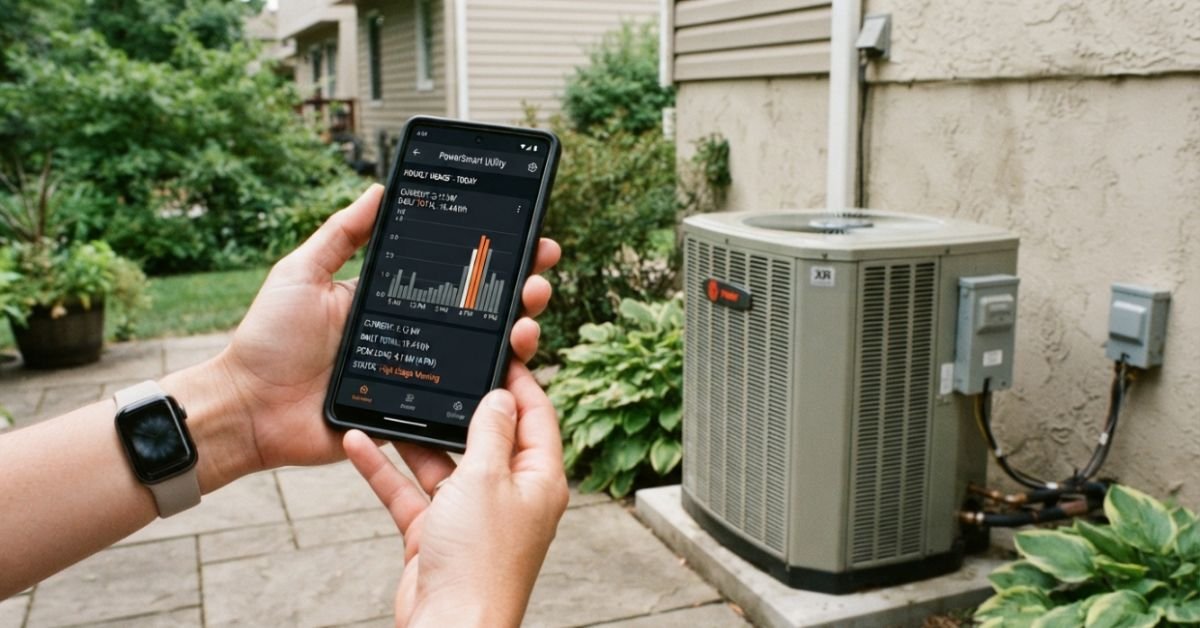
Radiant heat from the sun passes straight through standard double-pane glass, striking your flooring and furniture where it converts to ambient heat. At that point, your air conditioner must remove those British Thermal Units (BTUs) at a high financial cost.
- Thermal curtain insulation and cellular shades: High-quality honeycomb cellular shades can reduce solar heat gain through windows by up to 60%. Install insulated blackout curtains over south- and west-facing windows. Keep them drawn tight from 11:00 AM until sunset.
- Ceramic Window Films: For sunny western exposures where you still want natural light, apply aftermarket ceramic window tint. Unlike older metallic films that turned purple, modern non-reflective nano-ceramic films block up to 80% of infrared heat without darkening the room.
- Air duct sealing: According to the Department of Energy (DOE), the average home loses 20% to 30% of conditioned air through holes, loose connections, and unsealed joints in attic ductwork. In an attic that reaches 140°F, unsealed return ducts suck scorching air directly into your cold air supply. Crawl up there with a bucket of fibrous mastic sealant and fiberglass mesh tape (skip the standard silver duct tape—it dries out and peels within two seasons). Sealing those joints ensures the air you pay to cool actually reaches your vents.
Expert Insight: Never close off more than 10% of the supply registers in your home to “direct cold air to other rooms.” Closing basement or spare bedroom vents increases static pressure within the duct system, forces air leaks through duct joints, reduces airflow across your evaporator coil, and can cause the coil to freeze into a solid block of ice on a 95°F day.
Stealth Drains: Slashing Vampire Power and Kitchen Appliance Heat Loads
Aside from cooling, several internal heat sources fight your HVAC system from the inside out.
Conquering Vampire Power Draw
Vampire power draw refers to the standby electricity electronics consume even when turned off. Home theater receivers, subwoofers, gaming consoles in rest mode, set-top cable boxes, and smart speakers pull constant wattage.
In my own energy audit, my living room entertainment center was drawing 68 watts continuous while “off.” Over a month, that standby load eats roughly 49 kWh of wasted electricity. Plug those entertainment centers and home office setups into advanced smart power strips that automatically cut power to peripheral devices when the main TV or PC shuts down.
Device Standby Drain       | Continuous Draw | Monthly Cost (At 18¢/kWh)
Set-Top Cable Box (DVR)    | 28 Watts        | $3.62
Game Console (Rest Mode)   | 12 Watts        | $1.55
AV Receiver / Subwoofer    | 18 Watts        | $2.33
Secondary Garage Fridge    | 90 Watts avg    | $11.66
Total Wasted Baselines:    | 148 Watts       | $19.16 / month
Cut Kitchen Heat Production
A typical electric kitchen oven acts like a 3,000-watt space heater inside your home. Baking a casserole at 400°F for an hour introduces thousands of BTUs of extra heat into your kitchen. Your central air conditioner will consume several extra kilowatt-hours just to extract that cooking heat.
- Switch to countertop appliances like air fryers, countertop convection ovens, or portable induction cooktops.
- Take the cooking outside to a patio grill during the hottest weeks of summer.
- Run the kitchen range hood exhaust when boiling water to vent hot, humid air outside instead of letting it circulate through the house.
The Garage Refrigerator Trap
That old, hand-me-down refrigerator sitting in your unconditioned garage is an energy hog. In a Midwest or Southern garage where ambient temperatures easily hover between 100°F and 110°F, that fridge compressor runs almost non-stop to keep items cold. If you only use it to hold a couple of twelve-packs of seltzer, unplug it for the summer. It could be costing you $30 to $45 every single month in wasted electricity.
Lowering Power Bill Apartment Summer Tips
Renters face unique challenges because you cannot replace an old HVAC compressor or blow R-60 cellulose insulation into the attic. However, you can still slash your utility bills with non-permanent tweaks:
- Hang temporary tension-rod thermal blackout curtains over every single window.
- Place draft stoppers along bottom door frames leading to unconditioned interior hallways.
- Clean the return vent grilles with a vacuum brush attachment; dust buildup on rental vents suffocates the unit.
- Request an HVAC maintenance check from building management to clean the coils and check refrigerant charges before summer hits full stride.
Common Pitfalls: Costly Summer Energy “Hacks” That Backfire
Internet forums are full of well-meaning tips that end up costing more money than they save. Let’s clear up a few persistent myths.
Myth 1: “Cranking the thermostat down to 60°F cools the home faster.”
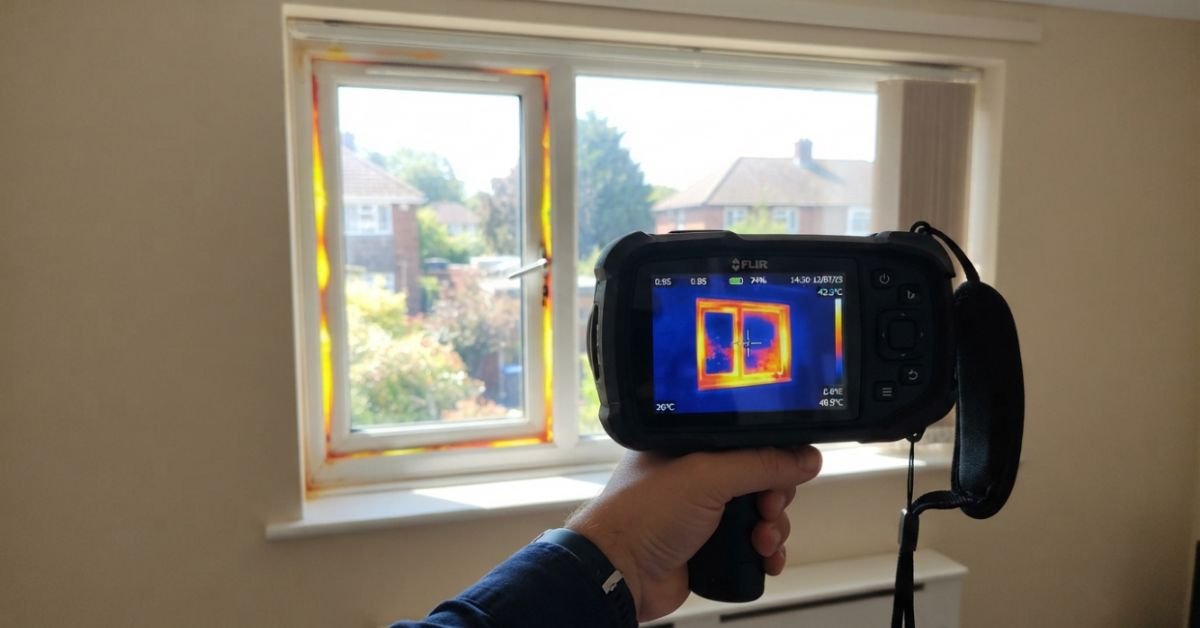
Your air conditioner is a binary system: it runs at full speed whether set to 60°F or 74°F (unless you own a multi-stage inverter unit, which modulates slowly for dehumidification). Setting the thermostat to 60°F simply guarantees the system will run past your comfort zone, wasting power and risking frozen evaporator coils.
Myth 2: “Does keeping ceiling fans on all day save money?”
No, it does not. A typical ceiling fan motor runs between 35 and 75 watts. Leaving three ceiling fans spinning in empty rooms all day consumes roughly 3.6 kWh over a 24-hour cycle while cooling nothing. Remember: Fans cool people, not rooms. Turn them off when you walk out.
Myth 3: “Closing AC vents in unused rooms reduces consumption.”
As touched on earlier, residential HVAC duct systems are balanced for specific static pressures. Closing vents restricts airflow, increases duct pressure, stresses the blower motor, and causes conditioned air to leak out of unsealed duct joints in your attic or crawlspace. Keep supply vents open.
Myth 4: “Running a dehumidifier on maximum settings lowers cooling bills.”
While lowering relative humidity allows you to feel comfortable at slightly higher temperatures, a portable dehumidifier is essentially a small refrigeration circuit that outputs warm air back into the room. If set to run continuously without a humidistat cut-off, it can easily add 300 to 500 watts of heat to your space. Set your dehumidifier target to 50% relative humidity, not lower.
Actionable 7-Day Summer Energy Reduction Checklist and Rebate Guide
Ready to take control of your utility costs? Follow this day-by-day plan over the next week to systematically track down and eliminate wasted power.
- [ ] Day 1: Filter & Airflow Audit. Check your return air filters. Replace anything gray or clogged with a fresh MERV 8 or 11 pleated filter. Make sure every supply register is wide open and unobstructed by furniture or rugs.
- [ ] Day 2: Fan Direction & Thermostat Setup. Verify every ceiling fan rotates counter-clockwise. Program your setback temperatures (75°F occupied, 82°F away), or set up geofencing on your smart thermostat.
- [ ] Day 3: Window Defense. Install thermal blackout drapes or cellular shades on south- and west-facing glass. Seal drafty window frames with peel-and-stick weatherstripping.
- [ ] Day 4: Appliance Shifting & Peak-Hour Prep. Call your power company or log into your account portal to check your rate plan. If you are on Time-of-Use billing, schedule dishwashing and laundry runs for after 8:00 PM.
- [ ] Day 5: Outdoor Condenser Care. Clear out weeds, leaves, and overgrowth within a 2-foot perimeter around your outdoor AC unit. Gently hose down the condenser fins to wash away dust and grime.
- [ ] Day 6: Eliminate Standby Loads. Plug entertainment gear and home computer rigs into smart power strips. Unplug unused spare refrigerators or freezers in the garage.
- [ ] Day 7: Claim Utility Rebates and Tax Credits. Take advantage of local utility incentives and federal policies designed to lower energy costs:
Tapping the Inflation Reduction Act (IRA) and Utility Programs
Under the Inflation Reduction Act (IRA) Section 25C Energy Efficient Home Improvement Credit, US homeowners can claim up to 30% of the cost (up to $1,200 annually) for energy-efficient upgrades, including:
- Up to $150 back for a professional home energy audit.
- Up to $1,200 for air sealing, attic insulation, and high-efficiency windows.
- Up to $2,000 for qualifying heat pumps that meet modern Seasonal Energy Efficiency Ratio (SEER2) and Consortium for Energy Efficiency (CEE) tier standards.
Most regional electric utilities (such as Duke Energy, FPL, Oncor, and Xcel) also offer instant $50 to $100 rebates on Energy Star certified appliances and smart thermostats, along with free or heavily subsidized summer AC tune-ups. Check your utility’s “Rebates & Savings” page before scheduling any work.
Health & Safety Notice: While saving money is important, never push your indoor temperatures past safe levels during extreme heat events. If your home indoor temperature approaches 85°F with high humidity, vulnerable individuals, seniors, young children, and pets face real risks of heat exhaustion or heat stroke. Keep safety first, especially during regional heat advisories.
Frequently Asked Questions
Will running my AC fan set to “ON” instead of “AUTO” lower my bill?
No, it will noticeably raise your bill. The “ON” setting forces the air handler blower motor to run 24 hours a day, pulling an extra 300 to 500 watts continuously. More importantly, when the cooling cycle stops, running the fan pulls air across the wet evaporator coil, evaporating the collected moisture back into your living space. This spikes indoor humidity and forces the system to run longer to dehumidify. Always keep your thermostat set to AUTO.
How much money do smart thermostats actually save in the summer?
According to verified field studies from the EPA’s Energy Star program, smart thermostats save homeowners an average of 8% on cooling costs, or roughly $50 to $100 across a typical summer season. Savings stem primarily from automated schedule setbacks and geofencing, which prevent your cooling system from conditioning an empty house.
Is it cheaper to leave the AC running at one set temperature all day?
No. The rate of heat transfer into your home depends on the difference between indoor and outdoor temperatures (the Delta-T). When your home is kept at 72°F all day, heat enters faster than if the home is sitting at 78°F. Letting the house drift up to a moderate setback (like 80°F to 82°F) while you are away reduces the total heat load entering the structure throughout the day, resulting in less total run time.
Why does my AC run all afternoon but the temperature inside keeps rising?
If your system runs continuously without hitting your thermostat setpoint, you may be dealing with dirty coils, low refrigerant from an undiagnosed leak, an aging compressor with worn valves, or severe attic duct leaks. It can also happen when outdoor temperatures exceed your system’s design temperature (typically 95°F in most temperate zones). If your filter is clean and airflow feels weak or lukewarm, turn off the system and schedule a technician to check refrigerant pressures.
Does a higher SEER2 rating really make a difference on monthly bills?
Yes. Moving from an older, failing 10 SEER system (common in homes built before 2006) to a modern 16 to 18 SEER2 unit cuts the electricity needed to cool your home by 35% to 45%. Over a five-month cooling season in warm climates, that jump in efficiency can easily trim $300 to $600 from your annual utility expenses.