Simple Kitchen Audit Secrets That Instantly Cut Your Grocery Bill in Half.Two years ago, my family’s monthly grocery spending hit an all-time high of $1,240. Like millions of Americans struggling with persistent grocery inflation, I blamed the price of eggs, the supply chain, and our local supermarket markups.
- 1. The Invisible Leak: Why You Are Buying What You Already Own
- 2. The Step-by-Step 45-Minute Kitchen Audit Protocol
- 3. Step 1: Complete Evacuation by Category
- 4. Step 2: Date Checking and Safety Sorting
- 5. Implementing Commercial Kitchen Logistics at Home (FIFO and The Eat-First Basket)
- 6. The “Eat This First” Bin
- 7. The “Use It Up” Pantry Challenge Week: Reclaiming Stored Capital
- 8. Real-World Example: Five Dinners from an “Empty” Kitchen
- 9. Reverse Meal Planning: The Mathematical Shift That Halves Food Costs
- 10. The Math: Staples vs. Prepared Convenience
- 11. Common Pitfalls That Destroy Kitchen Audit Results
- 12. 1. The “Aesthetic Decanting” Trap
- 13. 2. Costco & Sam’s Club Bulk Euphoria
- 14. 3. Ignoring Freezer Burn Prevention
- 15. Long-Term Sustainability: The 5-Minute Pre-Shop Kitchen Check
- 16. Frequently Asked Questions
- 17. How often should I do a full kitchen audit?
- 18. What is the safest way to store leftover produce so it doesn’t rot?
- 19. Can food be eaten past the “Best If Used By” date?
- 20. How do I stop family members from ignoring the FIFO system?
- 21. Is buying a separate deep chest freezer actually cost-effective?
Then came a Saturday afternoon when I decided to organize my overcrowded pantry.
Pushed way to the dark back corner of the middle shelf sat three separate, half-full containers of ground paprika. In the back of our upright freezer rested an unidentifiable, ice-crusted package of chicken thighs purchased eight months earlier. Right then, the truth hit home: our sky-high grocery bills weren’t just a byproduct of national inflation tracked by the Bureau of Labor Statistics (BLS). They were the result of an invisible, chaotic inventory leak inside our own kitchen.
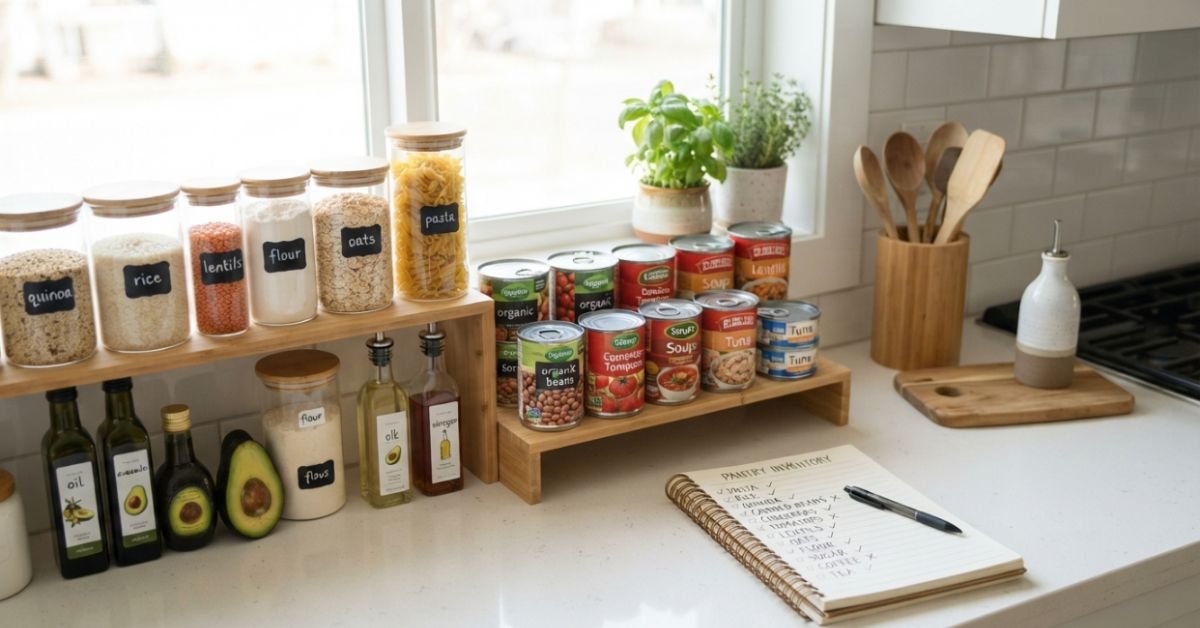


By shifting how I managed my kitchen and treating our food storage like a lean inventory system, I dropped our monthly grocery spend from $1,240 down to $580. No extreme coupon clipping. No surviving on ramen noodles. Just a straightforward system to uncover what we already bought and make sure it actually got eaten.
The Invisible Leak: Why You Are Buying What You Already Own
Every American kitchen suffers from what retail inventory specialists call “shrinkage.” The USDA estimates that between 30 and 40 percent of the US food supply is wasted, mostly at the household level. That equals roughly $1,500 worth of groceries tossed straight into the municipal compost or garbage bin every single year for an average four-person family.
Why does this happen? The culprit is zero visibility combined with convenience-driven impulse buying psychology.


When your cabinets are packed two or three rows deep, your brain treats anything behind row one as nonexistent. You stand in the aisle at Kroger or Trader Joe’s trying to remember if you have chicken stock, canned black beans, or soy sauce. You buy a duplicate “just in case.”
💰 More Cheap Living Tips You'll Love
- How to Negotiate Your Internet Bill Down Without Threatening to Cancel
- The Real Cost of Daily Convenience Habits That Steal Thousands Every Year
- How a Mid-Year Financial Reset Can Completely Transform Your Savings (Step-by-Step Guide)
- Practical Ways to Eat Healthy on a Bare-Bones $50 Weekly Budget
- Costly Car Ownership Mistakes That Secretly Drain Your Budget Every Month
- Dangerous Lifestyle Creep Signs That Are Quietly Keeping You Broke
Repeat that habit across 52 weeks, and you are spending hundreds of dollars every quarter on dry goods you already store in your cabinets. Learning how to do a kitchen inventory to save money stops this financial leak before you write a single grocery list.


The Step-by-Step 45-Minute Kitchen Audit Protocol
To fix your baseline, you need a full reset. Set aside 45 minutes on a weekend morning. Grab a black Sharpie, a roll of blue painter’s tape, a trash bag, and a clipboard with blank paper (or our printable layout based on our popular pantry audit checklist pdf).
We tackle this via the Three-Zone Cleanout:
Zone 1: The Dry Pantry & Baking Cupboard
Zone 2: The Refrigerator & Day-to-Day Freezer
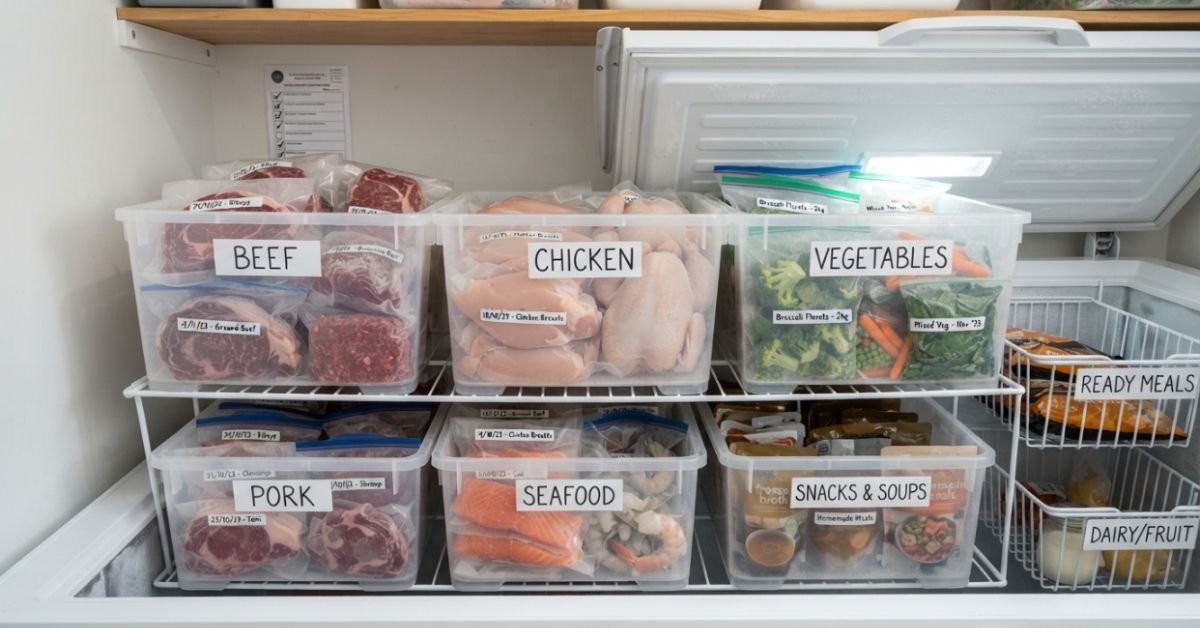
Zone 3: The Deep Chest Freezer or Garage Standalone
Step 1: Complete Evacuation by Category
Do not clean shelf-by-shelf while leaving items inside. You must pull everything out onto your kitchen counters or dining table. Group items by type:
- Canned proteins & legumes
- Dry grains & pastas
- Broths, sauces, and condiments
- Baking supplies and spices
Step 2: Date Checking and Safety Sorting
Inspect every single label. Here is where most households throw money away because they misunderstand the difference between best by and use by dates usda standards:
- “Best If Used By / Before”: This is a manufacturer’s estimate of peak quality and flavor. It is not a safety date. Unopened canned beans, dry pasta, and vinegars past this date are generally safe to consume if the packaging is intact (no dents, rust, or swelling).
- “Use By”: This date matters much more, especially on infant formula or raw meats, indicating when product quality drops sharply or spoilage accelerates.
Throw out genuinely rancid nuts, stale crackers, or compromised canned goods. Everything else goes back into circulation.
 Step 3: Tallying Current Pantry Capital
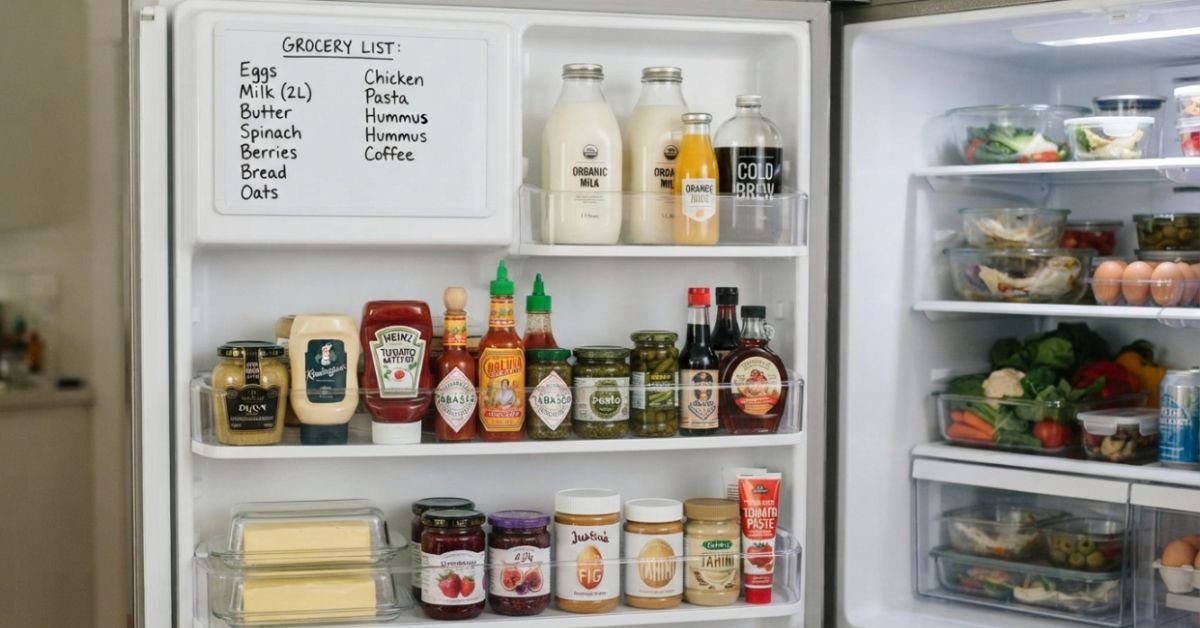
Write down everything usable. I keep a magnetic dry-erase board directly on the fridge door listing:
- Proteins (e.g., 4 cans tuna, 2 lbs dried black beans, 3 lbs ground beef)
- Carbs & Starches (e.g., 5 lbs Jasmine rice, 3 boxes penne)
- Vegetables (frozen bags, canned tomatoes)
This list represents actual, liquid capital sitting in your home. You’ve already paid for it. Now your job is to turn it into dinners.
Implementing Commercial Kitchen Logistics at Home (FIFO and The Eat-First Basket)
Restaurants stay profitable by running tight inventory margins. They rely heavily on First-In, First-Out (FIFO) inventory systems, and applying this simple rule at home immediately stops waste.
Whenever you unpack groceries from ALDI or Walmart, resist the temptation to shove the new items in front of the older ones. Slide the older can of diced tomatoes to the front edge; place the newly bought can behind it.
The “Eat This First” Bin
Produce waste is the single biggest cash drain for families trying to learn how to stop throwing away produce. Berries mold, bags of pre-washed spinach turn to liquid, and half-used lemons dry out into hard yellow rocks.
Buy a cheap, clear plastic storage container and mark it with a bold label: “EAT THIS FIRST.” Place it at eye level on the middle shelf of your refrigerator—not hidden inside a bottom drawer.
Every time you do a quick fridge scan:
- Toss in that half-cut bell pepper wrapped in foil.
- Add open sour cream or Greek yogurt nearing its expiration.
- Place the slightly soft zucchini or wrinkling cherry tomatoes right in front.
When someone in your family opens the fridge for a snack or dinner prep, this bin is the mandatory starting point.
+--------------------------------------------------------------+
|                    THE CRISPER DRAWER SECRET                 |
|                                                              |
| High-Humidity Drawer (Closed Vent):                          |
| Best for leafy greens, herbs, broccoli, and carrots.         |
| Traps moisture to keep cellular structure crisp.             |
|                                                              |
| Low-Humidity Drawer (Open Vent):                             |
| Best for apples, pears, and stone fruits.                    |
| Allows ethylene gas to escape so neighboring produce doesn't |
| spoil prematurely.                                           |
+--------------------------------------------------------------+
The “Use It Up” Pantry Challenge Week: Reclaiming Stored Capital
Once your kitchen audit reveals what you actually own, you are ready for a zero-spend grocery reset.
The strategy is simple: challenge yourself to a full seven-day cycle where your supermarket trip is capped at $20 to $30 total, strictly for fresh milk or basic bread. Every lunch and dinner comes straight from pantry grains, canned staples, and that deep-freeze meat.
Real-World Example: Five Dinners from an “Empty” Kitchen
- Monday: Black bean and sweet potato chili (using canned beans, chicken stock, sweet potatoes, and canned diced tomatoes).
- Tuesday: Fried rice using leftover day-old Jasmine rice, frozen mixed peas and carrots, eggs, and soy sauce.
- Wednesday: Pasta e Fagioli (using half-boxes of elbows, canned cannellini beans, and that opened jar of marinara).
- Thursday: Pulled pork bowls using that frozen shoulder roast you forgot you had, seasoned with paprika and cumin, served over white rice.
- Friday: “Kitchen Sink” Frittata using leftover roasted vegetables, bacon bits, and open cheese blocks.
By forcing your household to rely exclusively on current stock, you free up cash, create cabinet space, and eliminate back-of-the-shelf blind spots.
Reverse Meal Planning: The Mathematical Shift That Halves Food Costs
Traditional meal planning usually works like this:
- Browse Pinterest, Instagram, or cookbooks for exciting recipes.
- Build an ingredient shopping list based on what those recipes demand.
- Drive to the store and buy 20 unique ingredients, half of which you will never use again (like that single tablespoon of specialty chili paste).
- Throw away whatever spoils before Friday.
Reverse meal planning from your pantry flips that sequence on its head. It is the single most reliable framework for anyone searching how to lower family grocery bill on a tight budget.
Step 1: Check your kitchen audit inventory board.
Step 2: Pick 3–4 anchor proteins and bulk carbs you already store.
Step 3: Choose simple, forgiving meals that use those specific bases.
Step 4: Go to the store ONLY for 2–3 fresh "bridge items" (e.g., fresh cilantro, limes, or sour cream) to finish the meal.
The Math: Staples vs. Prepared Convenience
When you run unit price calculations, the savings become glaringly obvious:
| Food Category | Convenience / Prepared Cost | Bulk Staple Audit Cost | Average Household Savings | | :— | :— | :— | :— | | Grains (Brown/White Rice) | 90-second microwave pouches: $0.32/oz | 10 lb bulk bag: $0.05/oz | 84% | | Legumes (Black/Pinto Beans) | Canned seasoned beans: $0.12/oz | Dry bagged beans: $0.04/oz | 66% | | Salad Greens | Pre-washed boxed mixed baby greens: $0.65/oz | Whole head Romaine/Cabbage: $0.14/oz | 78% | | Broth / Stock | 32 oz box liquid broth: $2.49 ($0.08/oz) | Bouillon paste / homemade scraps: $0.01/oz | 87% |
When you leverage base staples you bought at rock-bottom prices and combine them with smart rotation, your per-plate dinner cost drops from $6.50 per person down to under $2.10. Over four family members, that’s roughly $520 saved every month. That is how to cut grocery bill in half US households can rely on year-round.
Common Pitfalls That Destroy Kitchen Audit Results
Even with great intentions, many home cooks fall into classic behavioral traps that derail their savings.
1. The “Aesthetic Decanting” Trap
Social media home-organizers love pouring cereals, flours, and grains into matching clear glass jars with minimalist labels. It looks gorgeous on camera. But in practice, you lose two vital pieces of information:
- The original manufacturer expiration or lot date.
- The cooking ratios and instructions.
If you choose to decant into airtight jars to stop pantry pests, use a piece of blue painter’s tape on the base or rear of the jar. Write down the grain name, cooking water-to-grain ratio, and package date.
2. Costco & Sam’s Club Bulk Euphoria
Warehouse club math is dangerous. Buying a 10-pound bag of fresh carrots because it’s only $4.99 sounds thrifty compared to the regular grocery store. But if your family eats two pounds and the remaining eight pounds turn into brown slime in your crisper, you paid $4.99 for two pounds of carrots ($2.50/lb). That is far more expensive than buying a standard 2-pound bag for $1.98 at ALDI.
Pro Tip: Only purchase perishable fresh produce in bulk if you plan to blanch and freeze it within 48 hours, or if you run a proven, scheduled meal plan where every ounce is spoken for.
3. Ignoring Freezer Burn Prevention
The freezer is not a magic time machine; it is an preservation tool with a ticking clock. The best way to organize freezer to avoid waste is to protect against moisture loss and air exposure.
- Air is the enemy of frozen meat. Standard zip-top sandwich bags allow slow oxygen transfer, leading to ice crystallization and gray, leathery freezer burn within three months.
- Invest in freezer-grade butcher wrap or a basic vacuum sealer for Costco portions.
- Always divide family packs of chicken breasts or ground meat into exact single-meal portions (typically 1 lb each) before freezing. Thawing a massive 5-pound block of ground beef when you only need one pound creates costly leftover waste.
Long-Term Sustainability: The 5-Minute Pre-Shop Kitchen Check
A full 45-minute audit is an initial reset that you only need to run once a quarter. To lock in these financial gains long term, you only need five minutes before drafting your weekly shopping run.
Before writing a single grocery item down:
- Open your fridge and pull the “Eat This First” items to the front.
- Glance at your freezer inventory whiteboard to pick two proteins for the coming week.
- Check your staple grain bins to ensure you don’t run out of oats, rice, or pasta.
- Build your shopping list around the items required to connect those dots.
When you walk into the grocery store with a list built to complement what is already sitting in your kitchen, you stop spending money on duplicate supplies. You bypass the stress of inflation, tame your food budget, and ensure that every dollar you spend actually ends up on your plate.
Frequently Asked Questions
How often should I do a full kitchen audit?
Run a comprehensive three-zone audit once every quarter (every 90 days), ideally right before seasonal shifts. Run a quick 5-minute inventory check weekly right before you plan your meals and shop.
What is the safest way to store leftover produce so it doesn’t rot?
Do not wash berries until right before you eat them; moisture accelerates mold growth. Store leafy greens with a dry paper towel inside an airtight container to absorb humidity. For fresh herbs, trim the stems and place them upright in an inch of water like cut flowers, covering the tops loosely with a plastic produce bag.
Can food be eaten past the “Best If Used By” date?
Yes, in most cases. According to USDA Food Safety and Inspection Service guidelines, “Best If Used By” dates denote optimal flavor and freshness, not safety. If canned, shelf-stable, or frozen items show no physical signs of spoilage (bad odor, discoloration, off textures, or bulging/dented cans), they are generally safe to consume well past that date.
How do I stop family members from ignoring the FIFO system?
Visibility is everything. Put clear plastic bins in your pantry and fridge at eye level labeled “Snack On These First” or “Eat First.” Place newer restocked items either behind older items or on higher, less accessible shelves so the older ingredients are the easiest to grab.
Is buying a separate deep chest freezer actually cost-effective?
Yes, but only if you use it actively rather than as long-term food storage where items go to be forgotten. A small 5-cubic-foot chest freezer costs about $175 to $220 new and draws less than $30 of electricity per year. If it allows you to stock up on lean proteins at deep discounts and keep batch-cooked meals ready to stop expensive takeout orders, it easily pays for itself within six months.