Unusual Frugal Habits of Multimillionaires That Anyone Can Start Today.A few years ago, I sat across a mahogany conference table from a client who had just sold his specialty logistics company for roughly $14 million. He wore an eight-year-old Timex watch, drove a faded 2011 Toyota Tacoma, and asked our receptionist if he could take two complimentary granola bars for the road.
- 1. Why Multimillionaires Pinch Pennies When They Don’t Have To
- 2. Habit 1: Drive Reliable Clunkers and Keep Ancient Phones
- 3. How to apply this today:
- 4. Habit 2: Wearing Capsule Wardrobes and Shopping Clearance Racks
- 5. Habit 3: Radical Food and Grocery Efficiency
- 6. The Sunday Wholesale Protocol
- 7. Habit 4: Delayed Gratification as a Wealth Engine
- 8. Habit 5: The Public Library Card as the Ultimate Luxury Asset
- 9. Step-by-Step Implementation: How to Build Your Millionaire Thrift System This Weekend
- 10. Frequently Asked Questions
- 11. Isn’t driving an old car more expensive due to repair costs?
- 12. How do millionaires balance frugality with enjoying their lives?
- 13. What is the single easiest frugal habit I can start today?
- 14. Do wealthy people really still use coupons and discount codes?
- 15. The Big Takeaway
Most people picture private jets and champagne brunches when they think of extreme wealth. But after spending over a decade auditing balance sheets and coaching high-net-worth households across the United States, I can tell you the reality looks drastically different.
The people who build lasting financial independence rarely look like Instagram influencers. They practice stealth wealth. They obsess over value, actively resist lifestyle inflation, and practice daily money rituals that strike average consumers as downright eccentric.
Let’s pull back the curtain on the weird money saving tips from billionaires and everyday self-made millionaires—and look at the exact mechanics you can replicate on an ordinary paycheck.



Why Multimillionaires Pinch Pennies When They Don’t Have To
Warren Buffett famously lived in the same Omaha home he bought in 1958 for $31,500, and for decades grabbed breakfast at the local McDonald’s drive-thru—spending exactly $2.61, $2.95, or $3.17 depending on how the stock market was trending that morning.
Why would someone with an eleven-figure net worth fret over twenty cents on a sausage patty?


It isn’t about being cheap. It comes down to budgeting psychology and the cold mathematics of opportunity cost.
💰 More Cheap Living Tips You'll Love
- How to Negotiate Your Internet Bill Down Without Threatening to Cancel
- Practical Ways to Eat Healthy on a Bare-Bones $50 Weekly Budget
- Costly Car Ownership Mistakes That Secretly Drain Your Budget Every Month
- The Real Cost of Daily Convenience Habits That Steal Thousands Every Year
- Hidden Medical Bill Errors You Must Dispute Immediately to Save Big
- The High-Yield Savings Account Strategy That Makes Passive Cash Daily
When you understand compound interest, every dollar stops looking like paper currency. You view every five-dollar bill as a seed capable of growing into fifty dollars over a twenty-year horizon inside a broad-market index fund or an FDIC-insured high-yield savings account (HYSA). Frugal living is simply the process of protecting your capital so it can do the heavy lifting for you.


The trap most middle-class Americans fall into is confusing extreme deprivation with intentional spending. True millionaires spend ruthlessly on things that bring undeniable utility or joy, but cut costs to the bone on recurring friction and mindless consumer traps.
Habit 1: Drive Reliable Clunkers and Keep Ancient Phones
Walk through the executive parking lot of any mid-sized manufacturing plant in the Midwest. You won’t see a sea of leased German sports sedans. You’ll see seven-year-old Subarus, ten-year-old Ford F-150s, and immaculate Honda Civics.
The Federal Reserve and automotive survey data consistently show that the average net worth of drivers purchasing luxury European imports is actually lower than that of people buying dependable domestic or Japanese utility vehicles. Leases and high-interest car notes are wealth killers.
+-------------------------------------------------------------+
| The 7-Year Vehicle Wealth Math (New Luxury vs. 3-Year-Old)  |
+-------------------------------------------------------------+
| New Luxury Lease ($850/mo + $4k down):      ~$75,400 spent   |
| Reliable Used Sedan ($24k cash, kept 7 yrs): ~$32,000 total  |
|                                                             |
| Difference invested in S&P 500 @ 8%:        ~$61,000+ gain  |
+-------------------------------------------------------------+
I see the same dynamic with personal technology. The tech-obsessed public scrambles to trade in their iPhone every twelve months on carrier financing plans. Meanwhile, the wealthiest engineers and business owners I know casually carry an iPhone 11 or an older Google Pixel with chipped cases.
How to apply this today:
- The 7-Year Car Rule: Aim to own any car you buy for at least seven to ten years. If you buy a three-year-old certified pre-owned vehicle, drive it until the odometer crosses 150,000 miles.
- Skip Carrier Installments: Keep your smartphone until security updates stop rolling out or the battery degradation significantly impacts your workday. When you do replace it, buy unlocked, refurbished gear from certified outlets.
Common Pitfall: Don’t run a vehicle into the ground without routine fluid flushes and preventative care. Spending $120 on an oil and differential service prevents a $4,500 transmission replacement. Frugality means preserving assets, not neglecting them.
Habit 2: Wearing Capsule Wardrobes and Shopping Clearance Racks
The late Ingvar Kamprad, founder of IKEA, was legendary for buying his clothes at flea markets and discount racks while building an empire worth tens of billions. Steve Jobs standardized his daily uniform with Issey Miyake black turtlenecks.
This habit serves two masters: it eliminates decision fatigue and dramatically lowers your wardrobe’s cost per wear.
Cost Per Wear (CPW) = Purchase Price ÷ Estimated Number of Times Worn
Wealthy savers look at clothing through that formula. A well-tailored $180 pair of dark denim jeans worn 300 times has a CPW of $0.60. An impulse $45 trendy shirt worn twice to a party before fraying has a CPW of $22.50.
Most self-made millionaires build a minimalist capsule wardrobe:
- 3–4 neutral button-downs or blouses
- 4–5 monochrome tees
- 2 pairs of durable pants or dark denim
- 1 versatile blazer or tailored jacket
- 2 pairs of high-grade, repairable footwear
They don’t browse apparel apps out of boredom. They purchase durable, neutral garments, repair worn shoe soles at local cobblers, and wear items until their functional life is completely exhausted.
Habit 3: Radical Food and Grocery Efficiency
Charlie Munger, the legendary Berkshire Hathaway vice-chairman, spent his life advocating for simplicity in daily routines. He routinely scoffed at overpriced dining pomp.
Contrast that with modern urban habits: the average American household spends thousands annually on app-based delivery services. A single burrito order running through DoorDash easily morphs into a $32 line item once platform fees, delivery surcharges, regulatory costs, and tips hit the receipt.
Self-made millionaires treat grocery runs like supply-chain operations. They love wholesale clubs like Costco.

The Sunday Wholesale Protocol
- Pantry Base: Stock non-perishable carbohydrates (brown rice, rolled oats, dried beans, quinoa) in five-gallon airtight food containers.
- Proteins in Volume: Purchase chicken breasts, pork tenderloin, or wild-caught fish in family packs at wholesale clubs, portion them into silicone freezer bags, and freeze immediately.
- Batch Production: Cook two base meals every Sunday afternoon (like a slow-cooker turkey chili and a Mediterranean sheet-pan bake).
Common Pitfall: The “Costco Produce Trap.” Buying a massive five-pound plastic tub of organic spinach might seem thrifty, but tossing half of it out three weeks later turns that savings into pure financial loss. Buy pantry staples in bulk; buy sensitive produce in small, frequent batches at your local grocer.
Habit 4: Delayed Gratification as a Wealth Engine
One of the most effective habits of self made millionaires you can copy is an ironclad cooling-off window.
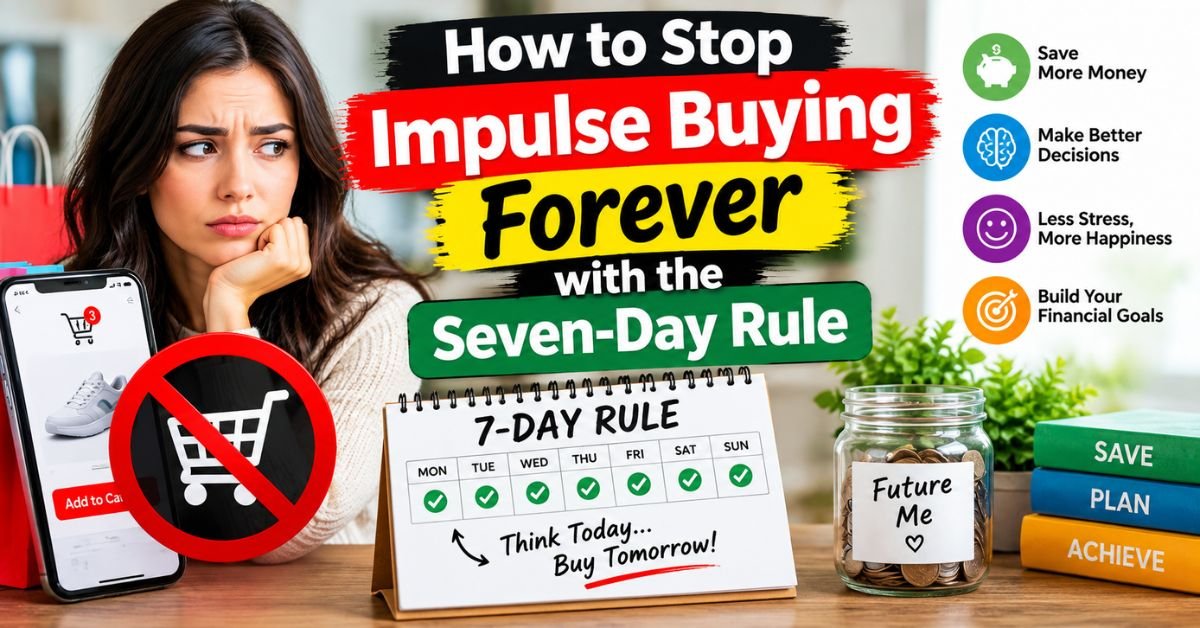
Whenever I work with clients recovering from impulse shopping habits, I institute what behavioral economists call the 72-Hour Cooling-Off Rule.
When a non-essential item catches your eye online:
- Do not proceed to checkout.
- Do not save your credit card credentials in the browser.
- Drop the item into a bookmark folder or a third-party wishlist tool.
- Set a recurring calendar reminder 72 hours out.
During those three days, the dopamine surge created by retail novelty wears off. Nine times out of ten, my clients look at the item on day four and realize they don’t actually need or even want it.
E-commerce platforms spend millions on UX design, utilizing countdown clocks and artificial stock alerts (“Only 2 left in stock!“) specifically to short-circuit your prefrontal cortex. Taking back control of your impulse window breaks that psychological trap instantly.
Habit 5: The Public Library Card as the Ultimate Luxury Asset
Billionaires read voraciously. Bill Gates famously reads around fifty books a year. Yet, spending $30 on every single hardcover release quickly tallies up to a $1,500 annual expense.
Enter the most underutilized wealth-building tool in America: your local public library.
+-------------------------------------------------------------+
| The Free Digital Library Stack                              |
+-------------------------------------------------------------+
| • Libby / OverDrive : Kindle ebooks, audiobooks, magazines  |
| • Kanopy / Hoopla   : High-definition indie & doc streaming  |
| • Free Passes       : State park entries, museum tickets     |
| • Research Portals  : Consumer Reports, Morningstar access  |
+-------------------------------------------------------------+
Modern municipal libraries aren’t dusty basements full of outdated encyclopedias. Your tax dollars fund digital licensing agreements with platforms like Libby, which lets you beam thousands of bestsellers straight to your Kindle or smartphone for free. Many urban libraries even offer free access to Morningstar premium accounts, subscription business databases, and audio recording studios.
Canceling three paid streaming platforms (Netflix, HBO Max, and Audible) and substituting them with Libby and Kanopy immediately puts roughly $65 a month back into your wallet. Routed into your retirement accounts, that modest change alone compounds into serious money over time.
Step-by-Step Implementation: How to Build Your Millionaire Thrift System This Weekend
Learning how rich people stay rich frugal living isn’t an intellectual exercise; it requires automation. If you rely on willpower alone to save, you will lose.
Here is the exact four-step sweep system I recommend to set up this weekend:
[ Primary Paycheck Checking Account ]
                 │
      ┌──────────┴──────────┐
      ▼                     ▼
[ Bills & Living ]   [ Automated Sweep (15-30%) ]
                            │
               ┌────────────┴────────────┐
               ▼                         ▼
    [ FDIC-Insured HYSA ]     [ Low-Cost Index Funds ]
    (Emergency Fund 4-5%)     (Vanguard/Fidelity/Schwab)
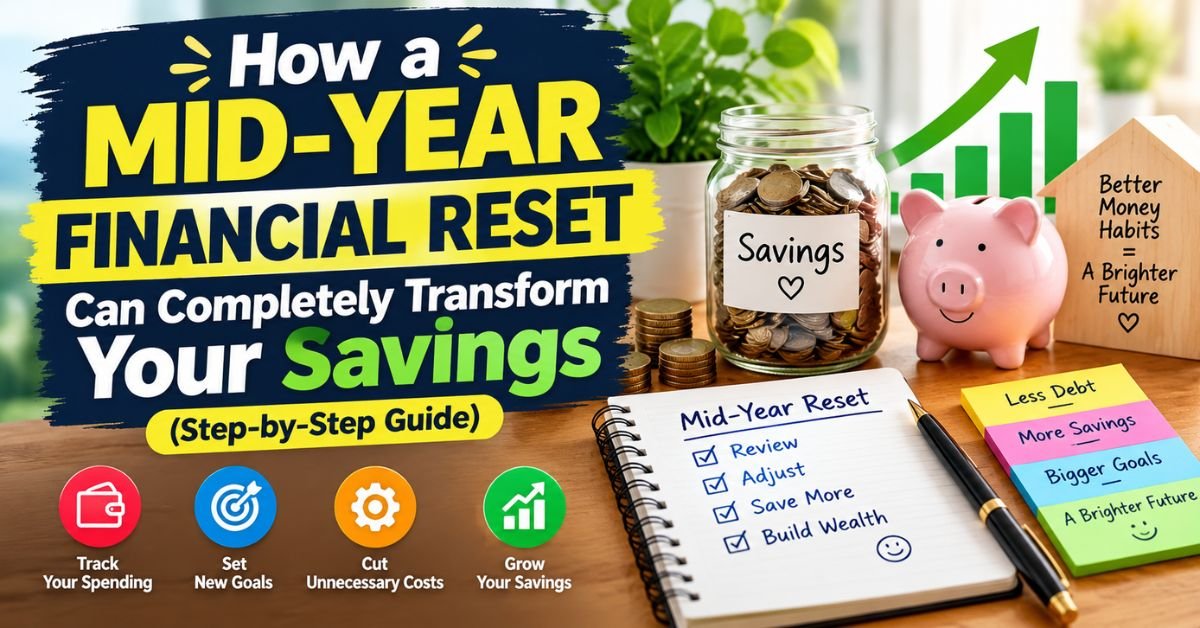
- Conduct a Subscription Autopsy: Open your last sixty days of credit card statements. Cancel every recurring subscription you haven’t logged into in the past three weeks.
- Open a Dedicated HYSA: Move your liquid cash reserve out of zero-interest checking accounts at traditional brick-and-mortar institutions. Shift it to an FDIC-insured high-yield savings account paying competitive market yields (typically 4% to 5% APY).
- Automate an “Out-of-Sight” Sweep: Set up an automatic bank rule that transfers a fixed dollar amount ($50, $200, or $500) directly from your checking account into your investment accounts or HYSA the very morning your paycheck lands.
- Calculate Your True Hourly Rate: Divide your monthly take-home pay by the total hours you spend working and commuting. If you clear $25 an hour, that $100 pair of sneakers isn’t a hundred-dollar expense—it’s four hours of your finite life. That shift in budgeting psychology changes spending habits faster than any spreadsheet ever could.

Frequently Asked Questions
Isn’t driving an old car more expensive due to repair costs?
Not usually. While an older vehicle might require $1,000 to $1,500 in maintenance every year, a new car loan payment averaging $700 per month costs you $8,400 annually—before factoring in higher comprehensive insurance premiums and registration fees. As long as the frame and transmission are mechanically sound, repairing an older car is almost always cheaper than absorbing the brutal depreciation curve of a brand-new vehicle.
How do millionaires balance frugality with enjoying their lives?
They use the concept of intentional allocation. They pick one or two areas that bring genuine fulfillment—such as travel or artisanal cooking—and spend comfortably there. In exchange, they ruthlessly cut expenses on things that don’t matter to them: designer clothes, new luxury cars, showy club memberships, and restaurant deliveries.
What is the single easiest frugal habit I can start today?
Instituting the 72-hour delay rule on digital storefronts. Removing saved payment methods from Amazon, Google Pay, and Apple Wallet introduces healthy friction between the desire to buy and the transaction itself, which instantly eliminates the majority of impulse purchases.
Do wealthy people really still use coupons and discount codes?
Yes, but they rarely clip physical paper coupons for low-ticket grocery goods. Instead, they use automated browser extensions (like Rakuten or Capital One Shopping) to capture cash-back rebates on things they were already planning to purchase, and they pay attention to wholesale bulk discounts on non-perishable consumables.
The Big Takeaway
The biggest secret behind how to live frugally like a millionaire is that frugality is an offense, not just a defense.
True wealth has very little to do with what you earn, and everything to do with the spread between your consumption and your income. When you drive the older car, cook with wholesale goods, use your library card, and give every dollar a job through automated compound growth, you stop working for your money—and make your money work for you.